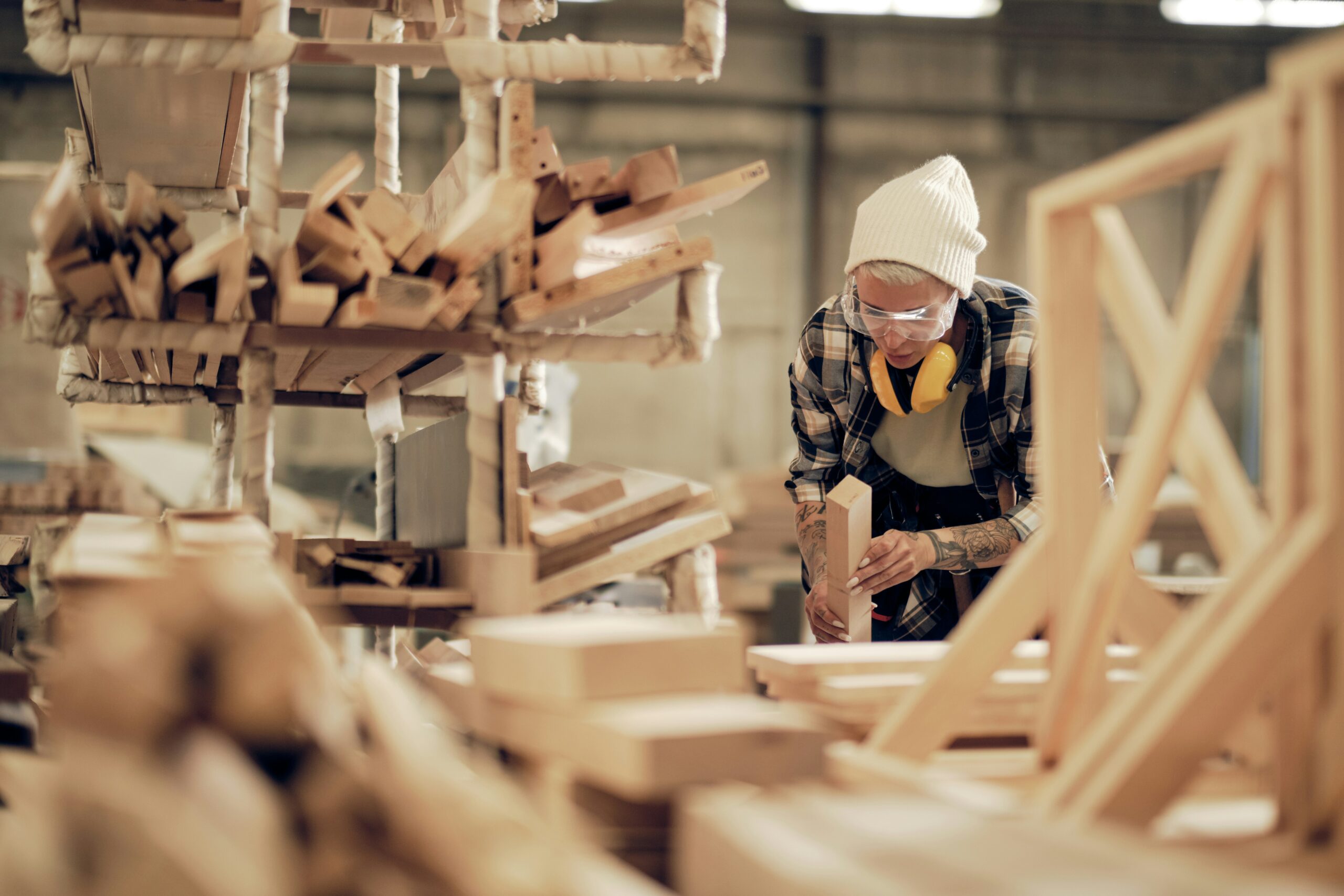
Woodworking continues to attract homeowners, hobbyists, and professional builders who want durable and attractive creations. However, many people now look beyond appearance and focus on environmental impact. Eco-friendly woodworking materials offer a practical way to create beautiful projects while protecting natural resources. As sustainability becomes more important, choosing greener materials can reduce waste, lower emissions, and support responsible forestry.
Moreover, eco-friendly woodworking materials help builders make smarter decisions without sacrificing quality. Many sustainable options offer excellent strength, longevity, and natural beauty. Whether you plan to build furniture, cabinets, shelving, or decorative pieces, selecting environmentally responsible materials creates lasting value for both your home and the planet.
Why Eco-Friendly Woodworking Materials Matter
Traditional woodworking often relies on materials harvested without careful forest management. As a result, excessive logging can damage ecosystems, reduce biodiversity, and contribute to environmental problems. Eco-friendly woodworking materials address these concerns by promoting responsible sourcing and sustainable production methods.
In addition, sustainable materials encourage better resource use. Manufacturers often recycle wood fibers, reclaim old timber, or source lumber from managed forests. Consequently, builders can enjoy high-quality materials while supporting practices that protect forests for future generations. This balance between craftsmanship and sustainability makes green woodworking increasingly popular.
Reclaimed Wood Creates Character and Reduces Waste
Reclaimed wood remains one of the most popular eco-friendly woodworking materials available today. Builders recover this wood from old barns, warehouses, factories, and historic buildings. Instead of sending valuable lumber to landfills, reclaimed wood gains a second life in new projects.
Furthermore, reclaimed wood often displays unique textures, grain patterns, and natural aging that new lumber cannot match. These features add warmth and personality to furniture and interior designs. Since the wood already exists, builders reduce demand for newly harvested timber while creating distinctive and durable products.
FSC Certified Wood Supports Responsible Forestry
Forest Stewardship Council certification helps consumers identify wood sourced from responsibly managed forests. FSC-certified wood comes from operations that follow strict environmental, social, and economic standards. Therefore, buyers can trust that their materials support sustainable forestry practices.
Additionally, FSC-certified wood remains widely available for many woodworking applications. From hardwood furniture projects to structural components, certified lumber offers dependable quality and environmental benefits. Choosing certified materials allows woodworkers to contribute directly to forest conservation while maintaining professional standards.
Bamboo Offers a Fast-Growing Alternative
Although many people think of bamboo as a grass rather than wood, it serves as an excellent material for woodworking projects. Bamboo grows much faster than traditional trees and reaches maturity in a relatively short period. Because of this rapid growth cycle, bamboo represents a highly renewable resource.
At the same time, bamboo provides impressive durability and strength. Manufacturers use it for flooring, furniture, countertops, and decorative elements. Its clean appearance fits modern and traditional designs alike. As a result, bamboo continues to gain popularity among environmentally conscious woodworkers seeking sustainable alternatives.
Recycled Wood Products Expand Sustainable Options
Recycled wood products transform leftover wood fibers and manufacturing waste into useful materials. These products often include engineered boards that combine reclaimed wood particles with environmentally responsible binders. Consequently, manufacturers reduce waste while creating practical building materials.
Moreover, recycled wood products help conserve natural resources. Instead of discarding wood scraps, companies turn them into valuable materials suitable for cabinetry, shelving, and interior projects. This approach supports a circular economy and reduces the environmental footprint associated with new material production.
Cork Provides Versatility and Sustainability
Cork stands out as another eco-friendly woodworking material due to its renewable harvesting process. Workers remove the cork bark without cutting down the tree, allowing it to continue growing and producing new bark. Therefore, cork harvesting supports long-term environmental health.
Besides its sustainability, cork offers unique functional benefits. It resists moisture, provides insulation, and feels comfortable underfoot. Woodworkers often incorporate cork into furniture accents, wall panels, and decorative features. Its natural appearance also complements many design styles while supporting green building goals.
Low-Emission Adhesives and Finishes Enhance Sustainability
Eco-friendly woodworking materials include more than wood itself. Adhesives, stains, sealers, and finishes also affect a project’s environmental impact. Traditional products sometimes emit volatile organic compounds that can degrade indoor air quality and pose health risks.
Fortunately, many manufacturers now produce low-emission alternatives. Water-based finishes and environmentally friendly adhesives offer excellent performance while minimizing harmful emissions. By selecting greener finishing products, woodworkers can create healthier living spaces and further strengthen the sustainability of their projects.
How to Choose the Right Sustainable Material
Selecting the best eco-friendly woodworking materials depends on project goals, budget, and desired appearance. Reclaimed wood works well when character and uniqueness matter most. FSC-certified lumber is a reliable choice for a wide range of woodworking applications.
Meanwhile, bamboo suits projects that require strength and modern style. Recycled wood products often deliver cost-effective solutions for interior construction and furniture making. Evaluating durability, availability, maintenance needs, and environmental certifications helps ensure the best choice for each project.
The Future of Sustainable Woodworking
Interest in sustainable woodworking continues to grow as consumers become more aware of environmental challenges. Manufacturers invest in innovative materials and production methods that reduce waste while improving quality. Consequently, woodworkers now enjoy more sustainable options than ever before.
At the same time, responsible material choices encourage broader environmental progress. Every project built with eco-friendly woodworking materials supports conservation efforts and reduces pressure on natural resources. As awareness expands, sustainable woodworking will likely become a standard practice rather than a specialized approach.
Eco-friendly woodworking materials offer an effective way to combine creativity, durability, and environmental responsibility. Reclaimed wood, FSC-certified lumber, bamboo, recycled wood products, and cork each provide valuable benefits for sustainable projects. Furthermore, low-emission finishes and adhesives enhance the overall environmental performance of woodworking creations.
By choosing eco-friendly woodworking materials, builders can craft attractive and long-lasting pieces while reducing environmental impact. Sustainable decisions today help preserve resources for future generations and create projects that reflect both quality craftsmanship and responsible stewardship.