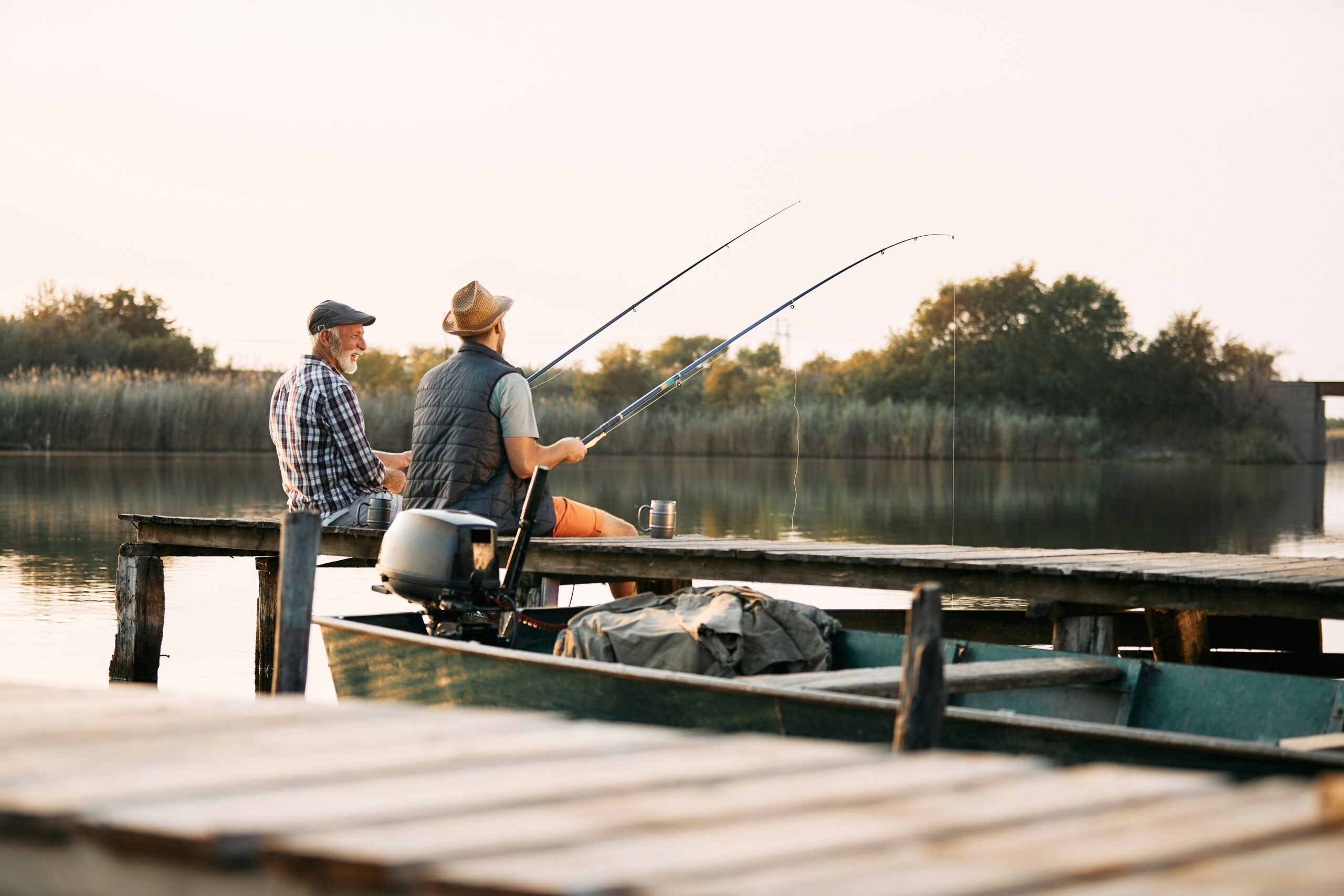
Bass fishing is one of the most exciting and rewarding outdoor activities, and it continues to attract anglers of all skill levels. Whether you fish in lakes, rivers, or ponds, you can improve your results with the right strategies and mindset. In this guide, you will learn practical tips and effective techniques that help you catch more bass consistently. Moreover, by applying these methods, you can transform an ordinary fishing trip into a successful and memorable experience.
Understanding Bass Behavior
Bass behavior plays a crucial role in your fishing success, and understanding it can give you a significant advantage. Generally, bass are opportunistic predators, which means they feed based on availability and environmental conditions. Therefore, you should pay attention to factors such as water temperature, weather patterns, and time of day. For example, bass tend to be more active during early morning and late evening, making these periods ideal for fishing.
In addition, bass often seek shelter in structures like submerged logs, rocks, and vegetation. As a result, you should focus your efforts on these areas to increase your chances of catching them. Furthermore, seasonal changes influence bass movement, so you must adjust your tactics accordingly. During spring, bass move into shallow waters to spawn, while in summer they prefer deeper, cooler waters.
Choosing the Right Equipment
Selecting the right equipment is essential, and it can make a noticeable difference in your performance. First, choose a rod-and-reel combination that matches your fishing style. Spinning reels are ideal for beginners because they are easy to handle, whereas baitcasting reels offer more precision and control for experienced anglers. Your choice should depend on your comfort level and skill.
Equally important, you must select the proper fishing line and lures. For instance, monofilament lines work well for general use, while braided lines provide greater strength and sensitivity. Meanwhile, your lure selection should mimic the natural prey of bass, such as worms, minnows, and insects. By matching your equipment to the conditions, you significantly improve your chances of success.
Effective Casting Techniques
Casting technique is another key factor, and improving it can help you reach more productive fishing spots. To begin with, you should practice accurate casting to place your lure near structures where bass are likely hiding. Additionally, smooth, controlled movements reduce noise and disturbance, helping prevent spooking the fish.
Moreover, you should vary your casting angles and distances to cover more water efficiently. For example, fan casting allows you to systematically explore a wide area. At the same time, flipping and pitching techniques help you target tight spaces with precision. By mastering these methods, you can present your lure more naturally and increase your catch rate.
Best Lures and When to Use Them
Choosing the right lure at the right time is critical, and it often determines whether you catch bass or go home empty-handed. Soft plastic worms, for example, are highly versatile and work well in a wide range of conditions. Similarly, crankbaits are effective for quickly covering large areas, especially when bass are actively feeding.
On the other hand, topwater lures create exciting surface strikes and are most effective during low-light conditions. Meanwhile, jigs are excellent for targeting bass hiding in heavy cover. By understanding when and where to use each lure type, you can adapt to changing conditions and significantly improve your results.
Seasonal Fishing Strategies
Fishing strategies must change with the seasons, and adapting to these changes is essential for success. During spring, bass move into shallow waters to spawn, so you should focus on areas with vegetation and sandy bottoms. Additionally, slow-moving lures work best during this period because bass are less aggressive.
In contrast, summer requires a different approach, as bass often retreat to deeper, cooler waters. Therefore, you should use deep-diving lures and fish during cooler parts of the day. In the fall, bass become more active as they prepare for winter, making it an excellent time for aggressive fishing techniques. Meanwhile, winter fishing demands patience, as bass metabolism slows down significantly.
Reading the Water
Reading the water is a skill that every successful angler develops over time, and it can greatly improve your efficiency. To start, you should look for visible signs such as ripples, baitfish activity, and changes in water color. These indicators often indicate where bass are feeding.
Furthermore, underwater structures like drop-offs, ledges, and weed beds are prime locations for bass. Therefore, using tools like fish finders can help you locate these spots more easily. By combining observation with technology, you can make more informed decisions and increase your chances of success.
Patience and Persistence
Patience is one of the most important qualities in bass fishing, and it often separates successful anglers from beginners. Even when conditions seem unfavorable, you should remain focused and continue trying different techniques. Additionally, learning from each fishing trip helps you improve over time.
At the same time, persistence allows you to adapt and overcome challenges. For instance, if one lure or method does not work, you should switch to another approach instead of giving up. By staying determined and flexible, you can turn a slow day into a productive one.
Conservation and Ethical Fishing
Practicing ethical fishing ensures that bass populations remain healthy for future generations. First, you should follow local regulations, including size limits and catch quotas. Moreover, using proper handling techniques minimizes stress and injury to the fish.
Additionally, catch-and-release practices play a vital role in conservation. By releasing bass carefully back into the water, you help maintain a balanced ecosystem. Furthermore, respecting the environment by cleaning up after yourself helps keep fishing areas enjoyable for everyone.
Mastering bass fishing requires a combination of knowledge, skill, and dedication. By understanding bass behavior, choosing the right equipment, and applying effective techniques, you can significantly improve your success rate. Moreover, adapting to seasonal changes and practicing patience will help you become a more confident and capable angler. Ultimately, with consistent effort and a willingness to learn, you can enjoy the thrill of bass fishing while achieving impressive results.