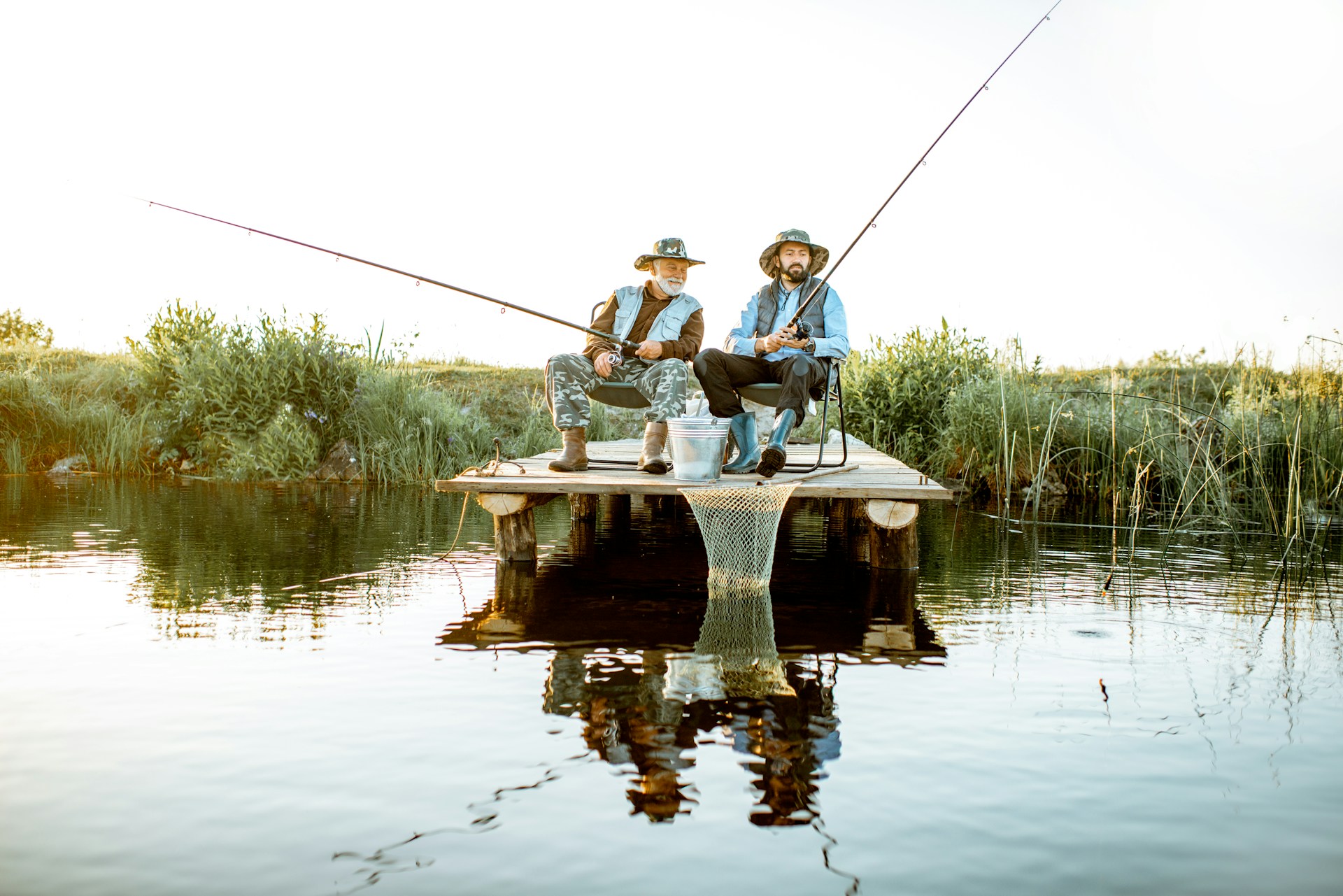
Bass fishing offers exciting opportunities year-round, but changing weather, water temperatures, and seasonal fish behavior can affect every trip. Therefore, anglers who understand seasonal patterns can improve their chances of catching bass consistently. Rather than relying on one fishing method, successful anglers adjust their strategies to match environmental conditions and feeding habits.
Additionally, bass respond differently to temperature changes, available food sources, and underwater structures. By learning how these factors influence fish movement, anglers can select appropriate equipment, identify productive locations, and improve their fishing techniques. Understanding seasonal behavior also helps beginners develop confidence while allowing experienced anglers to refine their approach.
Understanding Seasonal Bass Behavior
Bass are cold-blooded fish, meaning their body temperature and activity levels depend on surrounding water conditions. As a result, seasonal temperature changes influence their feeding patterns, preferred habitats, and movement. During warmer periods, bass often become more active, while colder temperatures generally slow their metabolism.
Furthermore, bass frequently move between shallow and deep water as conditions change. Understanding these movements allows anglers to locate fish more effectively. By monitoring water temperature, weather patterns, and available cover, anglers can make informed decisions throughout the fishing season.
Spring Fishing Strategies for Active Bass
Spring provides excellent opportunities because warming water encourages bass to move toward shallow spawning areas. As temperatures rise, bass often gather near protected coves, submerged vegetation, and shoreline structures. Therefore, anglers should focus on areas where fish can find suitable spawning habitat and convenient food sources.
Soft plastic worms, spinnerbaits, and shallow-running crankbaits can also work well in spring. Anglers should adjust retrieval speeds according to fish activity and water clarity. However, spawning bass may become sensitive to disturbances, so responsible fishing practices and careful handling remain important.
Summer Techniques for Warm Water Conditions
Summer introduces warmer temperatures that can influence bass feeding behavior and preferred locations. During hot afternoons, many bass seek cooler conditions around deeper structures, shaded areas, and submerged vegetation. As a result, anglers often improve their results by targeting underwater ledges, docks, and vegetation edges.
Moreover, early mornings and late evenings can provide productive opportunities when bass actively pursue prey near the surface. Topwater frogs, buzzbaits, and plastic worms can work effectively under suitable conditions. Meanwhile, anglers fishing deeper water may benefit from using jigs, deep-diving crankbaits, or soft plastic presentations.
Fall Fishing Methods for Increased Feeding Activity
Fall creates favorable conditions as water temperatures gradually decrease and bass prepare for colder months. During this transition, bass frequently pursue baitfish in shallow bays, creek channels, and areas with abundant food. Therefore, anglers should search for signs of baitfish activity when identifying promising fishing locations.
Additionally, moving lures such as spinnerbaits, lipless crankbaits, and swimbaits can imitate common prey and attract actively feeding bass. Anglers can also explore points, submerged timber, and channel edges where bass may gather. By experimenting with retrieval speeds and lure sizes, fishermen can identify productive presentations.
Winter Approaches for Slower Bass Movement
Winter bass fishing requires patience because colder water generally reduces fish activity and feeding frequency. As a result, bass often concentrate around deeper structures, steep banks, and locations with relatively stable temperatures. Anglers should carefully study underwater contours and focus on areas where fish can conserve energy.
Furthermore, slower presentations usually work better in cold conditions. Techniques involving finesse jigs, drop-shot rigs, and slowly retrieved soft plastics can encourage strikes from less active fish. Instead of covering large areas quickly, anglers should concentrate on promising locations and maintain controlled lure movements.
Selecting Equipment for Different Seasons
Choosing suitable fishing equipment helps anglers respond effectively to seasonal conditions. For example, medium-heavy rods may provide better control when fishing around dense vegetation, while lighter spinning setups can improve finesse presentations. Therefore, keeping several versatile rod-and-reel combinations can support different techniques.
Similarly, choosing the right fishing lines, hooks, and lure weights improves presentation and control. Fluorocarbon lines can offer reduced underwater visibility, while braided lines provide strength around heavy cover. However, anglers should match their equipment to water conditions, lure requirements, and personal fishing preferences.
Using Weather and Water Conditions Effectively
Weather patterns can significantly influence bass behavior year-round. Changes in wind direction, cloud cover, and barometric pressure may affect fish positioning and feeding activity. As a result, anglers who monitor local forecasts can develop more flexible fishing plans and spot potentially productive conditions.
Water clarity and temperature should also influence lure selection and presentation. Clear water often favors natural colors and subtle movements, while stained water may require more visible lures or stronger vibrations. By observing conditions, anglers can make adjustments that improve their overall fishing efficiency.
Building Consistency Through Practice and Observation
Consistent bass fishing success requires more than choosing the right lure. Anglers must recognize seasonal patterns, understand fish behavior, and evaluate the effectiveness of different techniques. Therefore, keeping a fishing journal with details on weather, water temperature, locations, and successful presentations can reveal valuable trends.
Ultimately, successful anglers stay adaptable and keep improving their skills through experience. By combining seasonal knowledge with responsible fishing practices, suitable equipment, and careful observation, anglers can enjoy productive trips year-round. As their understanding develops, they become better prepared to face changing conditions and pursue bass with greater confidence.