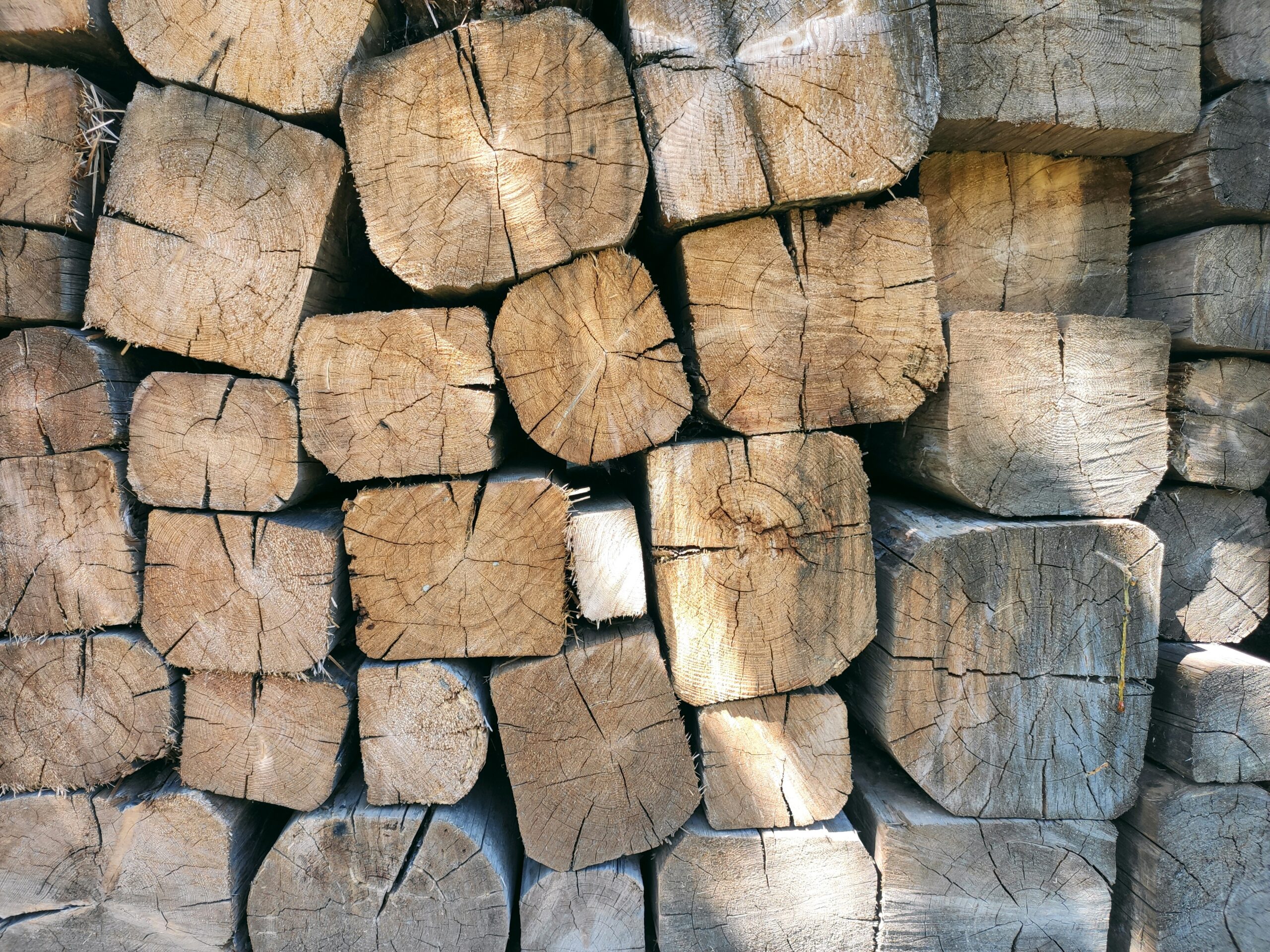
Woodworking is a time-honored craft that connects makers to the natural world through creative expression and practical design. As environmental concerns grow, many artisans are shifting their focus toward sustainable practices. Choosing and sourcing eco-friendly materials not only reduces harm to forests and ecosystems but also supports ethical production and long-term conservation. Whether you’re a hobbyist or a professional, embracing sustainability in woodworking is a meaningful step toward responsible craftsmanship. By understanding what makes wood sustainable and where to find it, you can build with both skill and conscience.
Understanding Sustainability in Wood
To uphold sustainable values, woodworkers must prioritize eco-friendly materials sourced from renewable resources. Locally sourced wood typically has a smaller environmental impact than wood transported across continents. Using timber grown within your region reduces emissions and supports local economies.
The renewability of tree species also plays a key role. Fast-growing species like pine and poplar regenerate quickly, making them excellent eco-friendly materials. In contrast, exotic hardwoods can take decades to mature and are often harvested unsustainably. Understanding these distinctions guides more informed decisions.
Identifying Certified and Reclaimed Wood
One of the most reliable ways to ensure you’re using eco-friendly materials is to look for certification. The Forest Stewardship Council (FSC) and the Program for the Endorsement of Forest Certification (PEFC) verify that wood is sourced from responsibly managed forests. FSC-certified products are especially recognized for maintaining high environmental and social standards.
In addition to certified lumber, reclaimed wood is one of the most sustainable, eco-friendly materials available. Sourced from old barns, deconstructed buildings, and even shipping pallets, reclaimed wood gives materials a second life that might otherwise end up in landfills. Not only does this reduce waste, but it also brings unique character and history to your projects.
While reclaimed wood may need a little extra work—like cleaning, de-nailing, or sanding—the environmental payoff makes it a top choice for anyone serious about sustainable craftsmanship. Choosing these eco-friendly materials contributes to a circular economy, where resources are reused rather than discarded.
Exploring Alternative Sustainable Materials
Sustainable woodworking doesn’t stop with traditional lumber. There’s an expanding range of alternative, eco-friendly materials that allow woodworkers to meet their goals without compromising on quality or appearance.
Bamboo is a standout example. Technically a grass, bamboo grows at an incredible rate and can be harvested in just a few years, making it one of the most renewable, eco-friendly materials on the planet. It’s durable, versatile, and suitable for furniture, flooring, and paneling.
Engineered wood products—such as plywood, MDF, and particleboard—can also be eco-friendly when manufactured with recycled content and non-toxic adhesives. These materials help reduce wood waste and maximize the utility of harvested timber. However, always verify that these products meet environmental standards and are free from harmful VOCs.
Additionally, innovators are creating eco-friendly materials from agricultural waste and recycled fibers. These composite materials are ideal for modern designs and reduce reliance on virgin wood. Whether you’re experimenting with bio-resins or exploring hemp-based boards, these alternatives expand the boundaries of sustainable woodworking.
Sourcing Locally and Responsibly
Once you know what to look for, sourcing eco-friendly materials becomes a practical part of your woodworking routine. Start by visiting local lumberyards or sawmills. Many small-scale suppliers offer locally harvested wood or even reclaimed timber from nearby demolition sites.
Urban lumber programs are also gaining popularity. These initiatives reclaim wood from city trees removed due to storm damage, disease, or development. Milling this wood for reuse turns waste into usable, eco-friendly materials and supports community-driven sustainability efforts.
As you build relationships with suppliers, ask questions about sourcing practices, chemical treatments, and harvesting methods. Transparent operations are usually happy to share information and help you make informed, eco-conscious choices.
Creating a Sustainable Mindset in Your Shop
Sustainability goes beyond the materials themselves—it’s also about how you use them. A responsible woodworker strives to make the most of every board and chooses tools, finishes, and techniques that align with green principles.
Start by designing with efficiency in mind. Use cut lists and project plans that minimize offcuts. Save small scraps for smaller projects, inlays, or prototyping. This approach not only conserves eco-friendly materials but also challenges your creativity and problem-solving skills.
By making informed choices, sourcing responsibly, and using eco-friendly materials at every stage, woodworking becomes not just an act of creation—but one of stewardship. The forests, resources, and communities connected to your materials all benefit from your care and attention. In return, you build not only beautiful objects, but also a legacy of respect for nature and future generations.
Sustainable woodworking is not about limiting creativity—it’s about elevating it. When you work with eco-friendly materials, you’re part of a movement that values craftsmanship, ethics, and environmental responsibility. And that’s something worth building on.