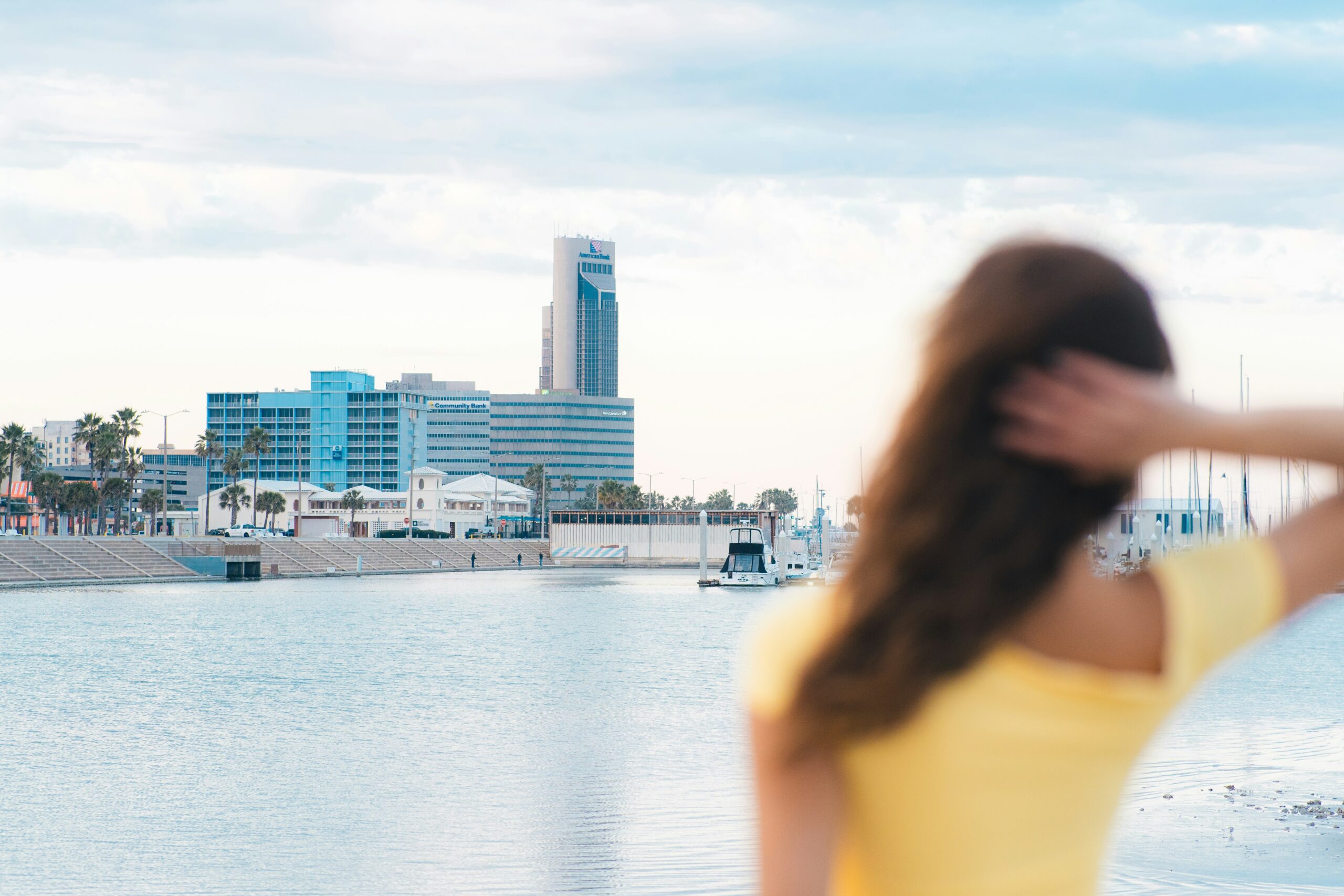
A visit to the Corpus Christi museums and art galleries gives people more than a simple day indoors. It gives them a close look at the heart of a coastal city with a rich mix of history, art, science, and local pride. Corpus Christi is known for its beaches, bay views, seafood, and relaxed South Texas charm. Yet the city also has a strong cultural side that many visitors do not expect at first. Its museums and galleries help tell the story of the people who shaped the area. They also show how art can reflect the sea, the land, and daily life along the Gulf Coast. From bold paintings to historic exhibits, each place adds a new layer to the city’s identity. Some spaces feel grand and formal, while others feel small, warm, and personal. Together, they create a clear picture of a city that values memory, beauty, and creative thought. For travelers, families, students, and art lovers, Corpus Christi offers a cultural path worth taking.
Art Beside the Bay
The Art Museum of South Texas is one of the most important cultural spaces in Corpus Christi. Its location near the water makes the experience feel calm and open from the start. The building itself feels like part of the artwork because it uses light, space, and views in a thoughtful way. Inside, visitors can find modern art, regional art, and pieces that connect to life in Texas and beyond. The museum often highlights artists who use color, shape, and story in fresh ways. This makes each visit feel new, even for people who have been there before. The art is not only for experts or collectors. Many pieces are easy to enjoy because they speak through feeling, movement, and simple visual power. Families can walk through the rooms and talk about what they see without needing deep art knowledge. That makes the museum a strong starting point for anyone who wants to understand the creative side of Corpus Christi.
Art galleries across the city add a more local and personal touch to the cultural scene. These galleries often show work from artists who live in the region or feel a strong tie to the Gulf Coast. Their paintings, photos, sculptures, and mixed media pieces often show scenes of water, birds, boats, streets, and people. Some works feel bright and playful, while others feel quiet and thoughtful. Local galleries also help visitors see how artists respond to the same place in different ways. One artist may focus on the beauty of the bay, while another may focus on the life of a working neighborhood. This variety keeps the art scene active and honest. It also gives local artists a place to share their voice with the public. For visitors, these galleries offer a chance to see Corpus Christi through the eyes of people who know it well. That kind of view can feel deeper than any short tour.
History That Feels Close
Corpus Christi has museums that help visitors understand the city’s past in a direct and clear way. These places show how the area grew from a coastal settlement into a busy South Texas city. History here is tied to the sea, trade, military life, family roots, and cultural change. Many exhibits help people imagine what daily life once looked like along the coast. Old photos, tools, uniforms, maps, and personal items can make the past feel real. They remind visitors that history is not only about dates and famous names. It is also about workers, families, sailors, teachers, artists, and community builders. When people walk through these spaces, they can see how each generation left something behind. That sense of connection makes the museum experience more meaningful. It shows that Corpus Christi grew through both hard work and shared memory.
The USS Lexington Museum is another major part of the city’s cultural and historical story. This large aircraft carrier is not a quiet building on land. It is a floating museum that gives people a strong sense of life at sea. Visitors can walk through parts of the ship and see spaces where sailors worked, slept, ate, and served. The size of the ship can surprise people because it shows how much planning and teamwork naval life requires. For many families, the museum is both educational and exciting. Children can explore the decks, while adults can think about service, duty, and history. The ship also connects Corpus Christi to wider national stories. Still, it keeps a strong local meaning because it sits along the city’s waterfront. Its presence makes history feel large, close, and easy to remember.
Science, Nature, and Young Minds
The cultural life of Corpus Christi is not limited to paintings and old records. Science museums and learning centers also play a key role in the city’s identity. They help children and adults ask questions about the world around them. The coast gives the city a natural link to marine life, weather, birds, water, and land. Museums that focus on science can turn these subjects into hands-on learning. This matters because many people learn best when they can see, touch, and explore. Exhibits about nature and science can make young visitors feel curious instead of bored. They also help families spend time together in a way that feels useful and fun. In a coastal city, learning about the environment feels especially important. It helps people understand why the bay, beaches, and wildlife need care.
The Corpus Christi Museum of Science and History brings together many parts of the city’s story. It includes science, culture, history, and regional heritage in one place. This mix helps visitors see that these subjects are connected. The natural world shaped the way people lived, worked, and built communities in the area. At the same time, human choices changed the land, the water, and the future of the region. That balance makes the museum useful for students, parents, and travelers. It can teach without feeling too formal or heavy. Many visitors leave with a better sense of the city’s roots and its place on the Gulf Coast. In the middle of this cultural journey, Corpus Christi art galleries and museums work together to show both beauty and knowledge. They prove that culture is not one subject, but a full picture made from many parts.
Local Voices and Creative Spaces
Smaller creative spaces are important because they often show the living culture of Corpus Christi. Large museums preserve major collections, but smaller galleries can react quickly to new ideas. They may host local shows, student work, community events, or special art nights. These spaces help artists meet viewers face to face. They also make art feel less distant and more connected to daily life. A person may walk into a local gallery and find work that reflects a street they know or a view they pass every week. That kind of connection can make art feel personal. It can also give visitors a more honest sense of the city. The walls of a small gallery can hold stories about family, culture, struggle, nature, and joy. These stories help keep the city’s creative voice alive.
Public art also adds to the gallery-like feel of Corpus Christi. Murals, outdoor sculptures, and creative design can appear in places where people work, walk, and gather. This means art is not locked away behind museum doors. It becomes part of the city’s streets and shared spaces. Public art can brighten a wall, honor a local story, or turn a simple walk into a cultural moment. For visitors, it can make the city feel more welcoming and memorable. For residents, it can build pride in the places they see every day. This kind of art also shows that culture belongs to everyone. People do not need tickets, special training, or formal plans to enjoy it. They only need to slow down and notice what the city is saying through color and form.
Why Culture Matters in Corpus Christi
Museums and galleries matter because they help a city remember itself. They protect stories that could be lost if no one saved them. They also give new artists a place to speak, grow, and take creative risks. In Corpus Christi, this matters because the city has many layers. It is a beach town, a port city, a family city, a tourist stop, and a place with deep local roots. Its cultural spaces help bring those layers together. They show that the city is not only a place for sun and water. It is also a place for learning, reflection, and creative expression. Visitors who spend time in these spaces often leave with a fuller view of the city. They see not only what Corpus Christi looks like, but also what it feels like.
A cultural dive through Corpus Christi can be slow, simple, and deeply rewarding. A person can start with a major museum, stop by a gallery, view public art, and end the day near the bay. Each stop adds something different to the experience. One place may teach history, while another may spark emotion through color and shape. Another may help a child ask new questions about science or nature. Together, these places make the city feel more complete. They invite people to look closer and think longer. They also show why Corpus Christi cultural attractions deserve attention from both visitors and locals. The museums and art galleries of Corpus Christi are not just places to pass time. They are places where the city’s past, present, and creative future meet.