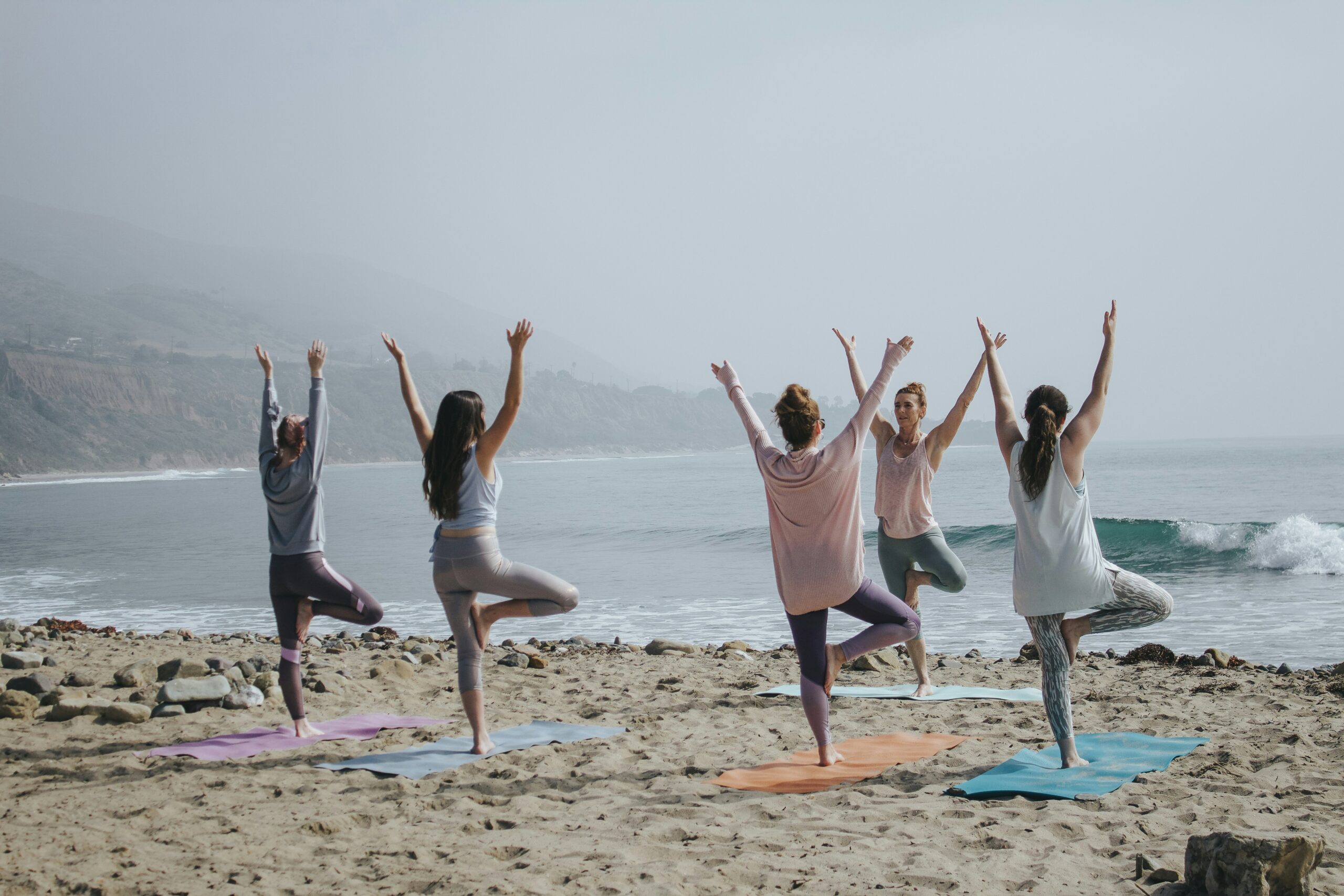
Yoga and Pilates both offer effective ways to improve physical health and overall well-being, yet they differ in purpose and execution. Yoga focuses on uniting the mind and body through breath control, flowing movements, and mindfulness. It encourages relaxation while also building flexibility and strength through a wide range of poses. As a result, many people turn to yoga not only for physical fitness but also for mental clarity and stress relief.
Pilates, in contrast, centers on controlled, precise movements that target core muscles and improve body alignment. It emphasizes technique, posture, and muscle engagement rather than spiritual or meditative elements. Because of this focus, Pilates often appeals to individuals who want a structured workout that delivers visible physical results. While both practices improve strength and flexibility, they approach these goals from very different angles.
How Yoga Supports Flexibility and Mind-Body Balance
Yoga stands out for its ability to enhance flexibility while promoting a strong connection between the body and mind. Through consistent practice, individuals gradually increase their range of motion and release tension stored in the muscles. Additionally, yoga encourages deep breathing, which improves oxygen flow and helps the body relax more efficiently. This combination of movement and breath creates a calming effect that supports both physical and emotional health.
At the same time, yoga offers a variety of styles that cater to different fitness levels and body types. Gentle forms like restorative yoga focus on relaxation, while more dynamic styles such as vinyasa or power yoga build strength and endurance. Therefore, individuals can adjust their practice based on their needs, making yoga a highly adaptable and inclusive option for long-term wellness.
How Pilates Builds Core Strength and Stability
Pilates is widely recognized for its focus on strengthening the core, which includes the abdominal muscles, lower back, hips, and glutes. By targeting these areas, Pilates creates a strong foundation that supports the entire body. This is especially beneficial for individuals who experience back pain or poor posture due to long hours of sitting or repetitive movements. As the core becomes stronger, the body moves more efficiently and with better control.
Moreover, Pilates emphasizes slow, controlled exercises that require concentration and precision. These movements engage multiple muscle groups at once, leading to improved coordination and muscle tone. Over time, practitioners often notice a more balanced physique and better alignment. This makes Pilates an excellent choice for those who want to build strength without adding bulk.
Choosing Based on Your Body Type
Your body type can influence which practice feels more comfortable and effective. Yoga works well for individuals who need to improve flexibility or relieve muscle tightness. Since it includes a wide range of poses and modifications, people of all shapes and sizes can participate without feeling restricted. Additionally, yoga helps reduce stress-related weight gain, making it beneficial for overall body balance.
On the other hand, Pilates may be ideal for those who want to focus on toning and strengthening specific areas. Individuals with a naturally lean or athletic build often benefit from the muscle control and definition that Pilates provides. However, Pilates is also suitable for beginners, as exercises can be modified to match different fitness levels. Ultimately, both practices can support various body types when performed consistently.
Aligning Your Practice with Fitness Goals
Your personal fitness goals play a key role in deciding between yoga and Pilates. If your primary goal involves reducing stress, improving flexibility, and enhancing mental clarity, yoga offers a comprehensive solution. Its focus on breathing and mindfulness helps calm the nervous system while promoting physical relaxation. This makes it particularly effective for managing anxiety and improving overall well-being.
In contrast, Pilates is better suited for individuals who want to build strength, improve posture, and achieve a more toned appearance. Its structured routines provide targeted results, especially for the core and lower body. Therefore, if your goal is to enhance physical performance and stability, Pilates may align more closely with your needs.
Comparing Weight Loss and Physical Transformation
Both yoga and Pilates contribute to weight management, although they do so in different ways. Yoga supports weight loss by reducing stress levels and encouraging mindful habits, which can lead to healthier lifestyle choices. Additionally, more active forms of yoga increase heart rate and burn calories, supporting overall fitness and endurance.
Meanwhile, Pilates focuses on building lean muscle, which can boost metabolism over time. Although a single session may not burn as many calories as high-intensity workouts, the long-term benefits of increased muscle tone and improved body composition are significant. As a result, combining either practice with a balanced diet and consistent routine can lead to noticeable physical transformation.
Considering Lifestyle and Accessibility
Lifestyle factors also play an important role when choosing between yoga and Pilates. Yoga offers flexibility in terms of location and style, as it can be practiced at home, in a studio, or even outdoors. This convenience makes it easier to maintain a consistent routine, especially for individuals with busy schedules. Additionally, the wide variety of classes ensures that there is always an option that fits your energy level.
Pilates, however, often involves a more structured environment, particularly when using specialized equipment like reformers. While mat-based Pilates is accessible at home, studio sessions provide guided instruction that enhances technique and results. Therefore, individuals who prefer a more guided and disciplined approach may find Pilates more appealing.
Making the Best Choice for Long-Term Success
Choosing between yoga and Pilates ultimately depends on what motivates you and supports your long-term goals. Some individuals prefer the calming and holistic nature of yoga, while others enjoy the precision and strength-building focus of Pilates. In many cases, combining both practices creates a balanced routine that delivers both mental relaxation and physical strength.
As you explore your options, consistency remains the most important factor. When you commit to a practice that you enjoy and can maintain over time, you create a strong foundation for lasting health and fitness. Whether you choose yoga, Pilates, or a combination of both, staying active will help you build strength, improve flexibility, and achieve a healthier, more balanced lifestyle.