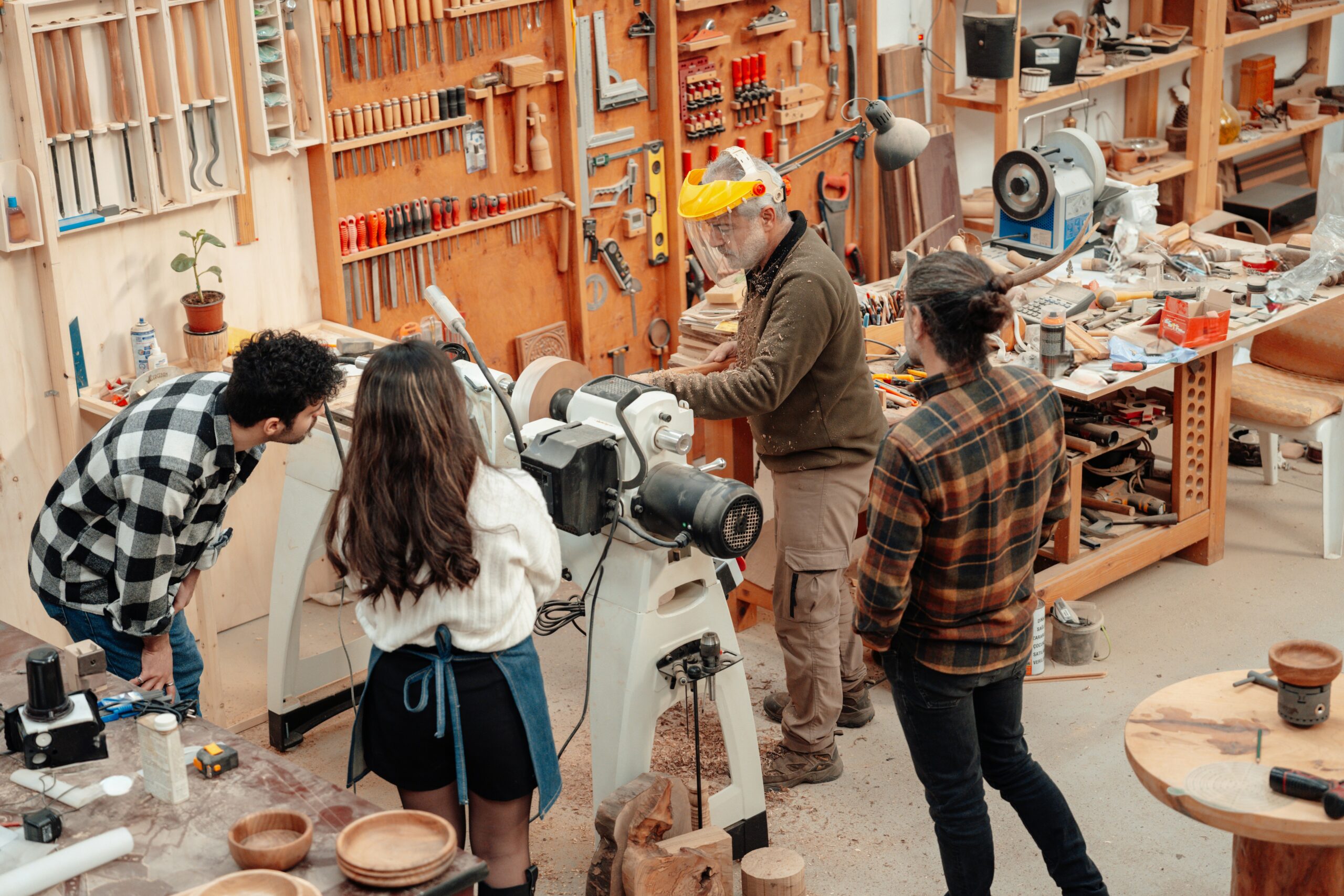
Woodworking has always been a craft that connects people with nature. The beauty of creating furniture, decorations, and useful items from wood comes from working with a material that has warmth, character, and history. However, responsible woodworking requires more than skill and creativity. It also requires thoughtful decisions about where materials come from and how they affect the environment.
Choosing eco-friendly woodworking materials allows craftspeople to enjoy the art of woodworking while reducing harm to forests and natural resources. Every piece of wood carries a story, and selecting the right materials helps ensure that future generations can continue to enjoy healthy forests. Responsible choices do not limit creativity. Instead, they open new opportunities to build stronger, more meaningful, and environmentally friendly projects.
Understanding the Importance of Responsible Woodworking
Responsible woodworking begins with understanding the impact of material choices. Trees play an important role in maintaining clean air, supporting wildlife, and protecting ecosystems. When forests are damaged by careless harvesting, the effects can reach far beyond the loss of trees. Water systems, animal habitats, and local communities can also suffer. Because of this, woodworkers have an important role in supporting better practices through careful material selection.
Today, many people are becoming more aware of how their purchases and hobbies affect the planet. Woodworkers can make a positive difference by choosing materials that come from responsible sources. Sustainable wood options help protect forests while still providing the quality and beauty needed for creative projects. This approach allows the woodworking community to preserve nature while continuing a valued tradition.
Choosing Certified and Responsibly Sourced Wood
One of the best ways to practice responsible woodworking is by selecting wood from trusted sources. Certified wood comes from forests that follow careful management practices. These forests focus on maintaining tree growth, protecting wildlife, and supporting long-term forest health. Choosing certified options helps buyers know that their materials come from more responsible supply chains.
Woodworkers should also learn about the origin of their materials before starting a project. Local suppliers, reclaimed wood sellers, and responsible lumber companies can provide valuable information about where wood comes from. By asking questions and making informed decisions, craftspeople can avoid materials connected to harmful harvesting practices and support businesses that value environmental protection.
Exploring Reclaimed Wood for Creative Projects
Reclaimed wood offers a unique way to practice eco-friendly woodworking. This type of wood comes from older structures, buildings, barns, or previously used materials. Instead of allowing usable wood to become waste, reclaimed wood gives it a second life. It often includes natural marks, textures, and colors that create a special appearance in finished projects.
Working with reclaimed wood also reduces the demand for newly harvested trees. It allows woodworkers to create beautiful pieces while making better use of existing resources. Each reclaimed board has its own history, which adds personality and character to furniture and decorative items. For many creators, this connection between the past and present makes reclaimed wood especially valuable.
Considering Alternative Eco-Friendly Materials
Woodworkers have more choices today than ever before. In addition to traditional lumber, many eco-friendly materials can support sustainable projects. Bamboo, for example, grows quickly and can provide a strong option for certain woodworking applications. Other materials made from recycled wood fibers can also reduce waste and offer practical solutions for modern designs.
Using alternative materials does not mean sacrificing quality or creativity. Many sustainable options provide durability, attractive appearances, and excellent performance. By exploring different materials, woodworkers can discover new techniques and create projects that reflect both artistic goals and environmental responsibility. A willingness to try new options can make woodworking more adaptable and sustainable.
Reducing Waste During the Woodworking Process
Responsible woodworking is not only about choosing the right materials. It also involves using those materials wisely. Careful planning before cutting wood can reduce unnecessary waste and help woodworkers get the most value from every piece. Simple steps, such as measuring accurately and designing projects thoughtfully, can prevent usable material from being discarded.
Wood scraps can also find new purposes in creative projects. Small pieces of wood can become decorative items, smaller furniture components, or useful household objects. Instead of viewing leftover materials as waste, responsible woodworkers see them as opportunities. This mindset encourages creativity and helps reduce the amount of material sent to landfills.
Using Safer Finishes and Sustainable Supplies
The materials used after construction are also important. Traditional finishes, paints, and adhesives may contain substances that can affect indoor air quality and the environment. Choosing safer finishes with fewer harmful chemicals can create healthier spaces while supporting sustainable woodworking practices. Natural oils, water-based finishes, and environmentally friendly products are becoming popular choices among many craftspeople.
Sustainable woodworking also includes the tools and supplies used throughout a project. Properly maintaining tools can extend their lifespan and reduce unnecessary replacements. Buying durable equipment and caring for it over time supports a more responsible approach. Every decision, from selecting wood to applying the final finish, contributes to the overall environmental impact of a project.
Supporting Local Wood Sources and Communities
Buying wood from local suppliers can provide several environmental benefits. Local materials often require less transportation, which can help reduce the environmental costs associated with shipping. Local businesses may also have better knowledge of regional forests and responsible harvesting practices. Building relationships with nearby suppliers can help woodworkers access quality materials while supporting their communities.
Local sourcing also creates a stronger connection between the craftsperson and the material. Understanding where wood comes from can inspire more thoughtful designs and greater appreciation for natural resources. When people know the journey behind their materials, they often become more careful about how they use and preserve them.
Creating a Future Through Sustainable Craftsmanship
Responsible woodworking is about balancing craftsmanship with environmental care. Woodworkers do not have to choose between beautiful projects and sustainable practices. With careful planning and informed choices, they can achieve both. Eco-friendly woodworking materials allow creators to continue enjoying their craft while respecting the natural world that provides those materials.
As more people embrace responsible woodworking, the future of the craft becomes more sustainable. Every project built with thoughtful material choices sends a message about the importance of protecting forests and reducing waste. Small decisions made in a workshop can contribute to larger environmental progress and inspire others to follow a more responsible path.
The Lasting Value of Eco-Friendly Woodworking Choices
Choosing eco-friendly woodworking materials creates benefits that extend beyond a single project. Sustainable choices help protect natural resources, support responsible businesses, and encourage better practices across the woodworking industry. A carefully built piece of furniture or artwork becomes more meaningful when it represents respect for both craftsmanship and nature.
Responsible woodworking is not about perfection. It is about making better choices whenever possible. Whether using reclaimed wood, selecting responsibly sourced lumber, or reducing waste, every effort matters. By combining creativity with environmental awareness, woodworkers can continue building beautiful pieces while helping protect the forests that make their craft possible.