Woodworking is one of the oldest and most useful forms of craftsmanship. It allows people to turn simple pieces of wood into furniture, decorations, tools, and practical household items. Good results begin with a clear understanding of woodworking tools and how each one is used. Beginners do not need a large workshop filled with costly equipment. A small group of reliable tools can handle many basic projects. The key is learning how each tool works before trying more advanced techniques. Safe handling is also important because sharp edges and moving parts can cause injury when used without care. Woodworkers should also learn how different types of wood react to cutting, drilling, sanding, and shaping. Practice helps improve control and makes each task easier over time. With patience and the right tools, even a beginner can develop strong woodworking skills and create pieces that are useful, attractive, and built to last.
Understanding the Basic Role of Woodworking Tools
Every woodworking tool has a specific job, but many tools work together during a project. Measuring tools help a woodworker plan the correct size of each part before cutting begins. Cutting tools remove unwanted material and help shape boards into useful pieces. Drilling tools create holes for screws, bolts, dowels, and other fasteners. Sanding tools smooth rough surfaces and prepare the wood for paint, stain, or another finish. Clamps hold pieces in position while they are being cut, drilled, joined, or glued. Hammers and mallets help drive nails or adjust wooden joints without causing too much damage. A woodworker must understand these basic roles to work with greater speed and accuracy. Choosing the wrong tool may damage the material or make the task more difficult than necessary. Learning the purpose of each tool also reduces waste because fewer mistakes are made. Strong craftsmanship starts with knowing which tool is best suited for each stage of the project.
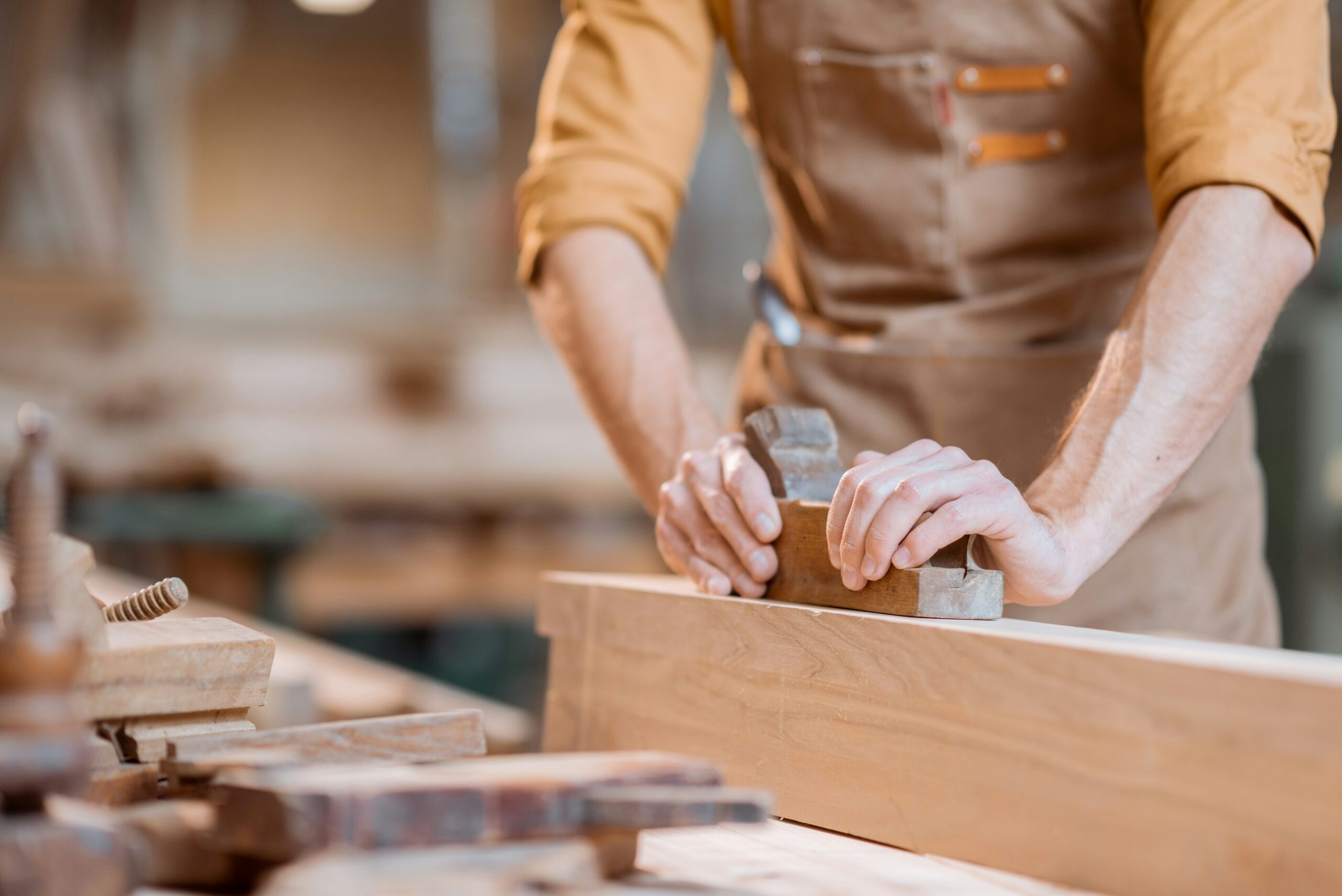
Hand tools are often the best place for beginners to start. They are usually easier to control and help new woodworkers understand how wood behaves. Common hand tools include saws, chisels, planes, hammers, screwdrivers, and measuring devices. A hand saw gives the user direct control over the speed and direction of a cut. A chisel can remove small sections of wood and create clean spaces for joints. A hand plane can smooth a board and reduce its thickness in a controlled way. These tools require more physical effort than power equipment, but they teach valuable skills. Beginners can feel how the wood responds when pressure is applied in different ways. Hand tools are also useful when working in small spaces where large machines are difficult to use. They remain important even in modern workshops because many detailed tasks are easier to complete by hand.
Measuring and Marking for Accurate Work
Accurate measurement is one of the most important parts of woodworking. A small mistake in measurement can affect several pieces and cause problems during assembly. A tape measure is useful for checking the length and width of larger boards. A steel ruler can provide greater control when measuring short distances. A combination square helps create straight lines and accurate right angles. It can also help check whether two surfaces meet at a proper 90-degree angle. Marking gauges are useful when a woodworker needs to draw a line that stays the same distance from an edge. Pencils are common for marking wood because the lines are easy to see and remove. Some woodworkers also use marking knives when they need a very thin and exact line. Clear measurements make cutting and joining much easier during later stages. A careful woodworker checks important measurements more than once before removing any material.
Good marking habits are just as important as having good measuring tools. Marks should be clear enough to guide the cut without covering too much of the surface. Woodworkers should also know which side of a marked line should be removed during cutting. Cutting directly through the center of the line may make a piece slightly smaller than planned. The thickness of a saw blade must also be considered because every cut removes a small amount of material. Many beginners learn to mark the waste side of a board before cutting it. This simple habit reduces confusion and protects the section that needs to remain. Straight edges can also be used to guide longer marks across wide boards. Accurate layout helps joints fit more closely and makes finished projects look more professional. Careful measuring may seem slow at first, but it often saves time by preventing mistakes. Reliable craftsmanship depends on planning before cutting begins.
Cutting, Shaping, and Creating Clean Edges
Cutting tools are among the most common pieces of equipment in any workshop. Hand saws are available in different designs for different types of cuts. A crosscut saw works well when cutting across the grain of the wood. A rip saw is designed for cutting in the same direction as the grain. Coping saws can make curved or detailed cuts in thinner pieces of wood. Power saws can make cutting faster, especially when a project requires many repeated cuts. Circular saws are useful for straight cuts in boards and sheet materials. Jigsaws are better for curves and unusual shapes. Table saws provide strong control for repeated straight cuts when they are set up and used correctly. Choosing the correct wood cutting tools can improve accuracy while reducing unnecessary effort. Sharp blades are also important because dull blades can create rough edges, require more pressure, and increase the risk of poor control.
Shaping tools help refine the wood after the main cuts have been completed. Chisels are useful for removing small amounts of material around joints, corners, and detailed areas. A woodworker can use different chisel widths depending on the amount of wood that needs to be removed. Hand planes help create flat surfaces and clean edges. Rasps and files remove material more slowly and are useful when shaping curves or correcting small problem areas. These tools give the woodworker close control over the final form of each piece. Shaping should usually be done in small steps instead of trying to remove too much wood at once. This approach reduces the chance of cutting beyond the intended line. Sharp edges should also be kept under control because they can damage the surface when used incorrectly. Good shaping work can turn a rough cut into a clean and accurate part. This stage often separates basic construction from true craftsmanship.
Drilling, Joining, and Holding Wood Securely
Many woodworking projects require two or more pieces of wood to be connected. Drills are commonly used to create holes for screws, dowels, and other hardware. A hand drill can provide good control for smaller jobs, while an electric drill can complete repeated work more quickly. Drill bits come in many sizes and designs, so the correct bit should be chosen for the material and type of hole. Pilot holes are often useful before driving screws into hardwood. They reduce the chance of splitting and make it easier to place screws accurately. Countersink bits can create space for screw heads so they sit level with or below the wood surface. Some projects also use dowel joints, which require matching holes in both pieces. Accurate drilling is important because holes placed at the wrong angle can weaken a joint. A stable work surface helps keep the drill under control during use. Careful preparation creates stronger and cleaner connections.
Clamps are another important part of joining wood. They hold pieces in position while glue dries or while fasteners are installed. Bar clamps are useful for larger assemblies such as tabletops, cabinets, or wide frames. C-clamps can hold smaller parts firmly against a workbench. Spring clamps are helpful when only light pressure is needed. The amount of pressure should be strong enough to keep the pieces together without damaging the wood. Too much pressure can bend thin material or squeeze too much glue from a joint. Woodworkers often use small protective blocks between the clamp and the finished surface. These blocks prevent dents and marks from forming. Pieces should also be checked for correct alignment before the glue begins to set. Proper clamping supports strong joints and keeps the final project square, level, and stable.
Sanding, Safety, and Building Better Craftsmanship
Sanding improves both the appearance and feel of a woodworking project. Rough boards often contain tool marks, scratches, sharp edges, and uneven areas that need to be smoothed. Sandpaper comes in different grit levels that control how much material is removed. Lower grit numbers are rougher and remove material more quickly. Higher grits create a smoother surface and are often used during the final stages. Woodworkers usually begin with a suitable coarse or medium grit and move gradually toward finer grits. Sanding with the grain helps reduce visible scratches. Sanding blocks can keep pressure even across flat surfaces. Powered sanders can save time on larger projects, but they should not remain in one place for too long. Excess sanding can change the shape of an edge or create low spots in the surface. A smooth surface prepares the wood for stain, paint, oil, wax, or another protective finish.
Safety should be part of every woodworking task from the beginning. Eye protection helps keep sawdust and small wood pieces away from the eyes. Hearing protection is useful when working with loud machines for long periods. Dust masks or suitable breathing protection can reduce exposure to fine wood dust. Work areas should remain clean because loose scraps and cords can create hazards. Blades and cutting edges should be inspected before use and kept in good condition. Tools should also be stored where sharp edges cannot cause accidental injuries. A woodworker should never rush through a cut or use a tool without understanding its proper operation. Strong woodworking safety practices protect both the worker and the quality of the project. Craftsmanship grows through patience, steady practice, accurate measurement, proper tool care, and respect for the material. When these habits become part of every project, woodworking becomes more controlled, rewarding, and enjoyable.