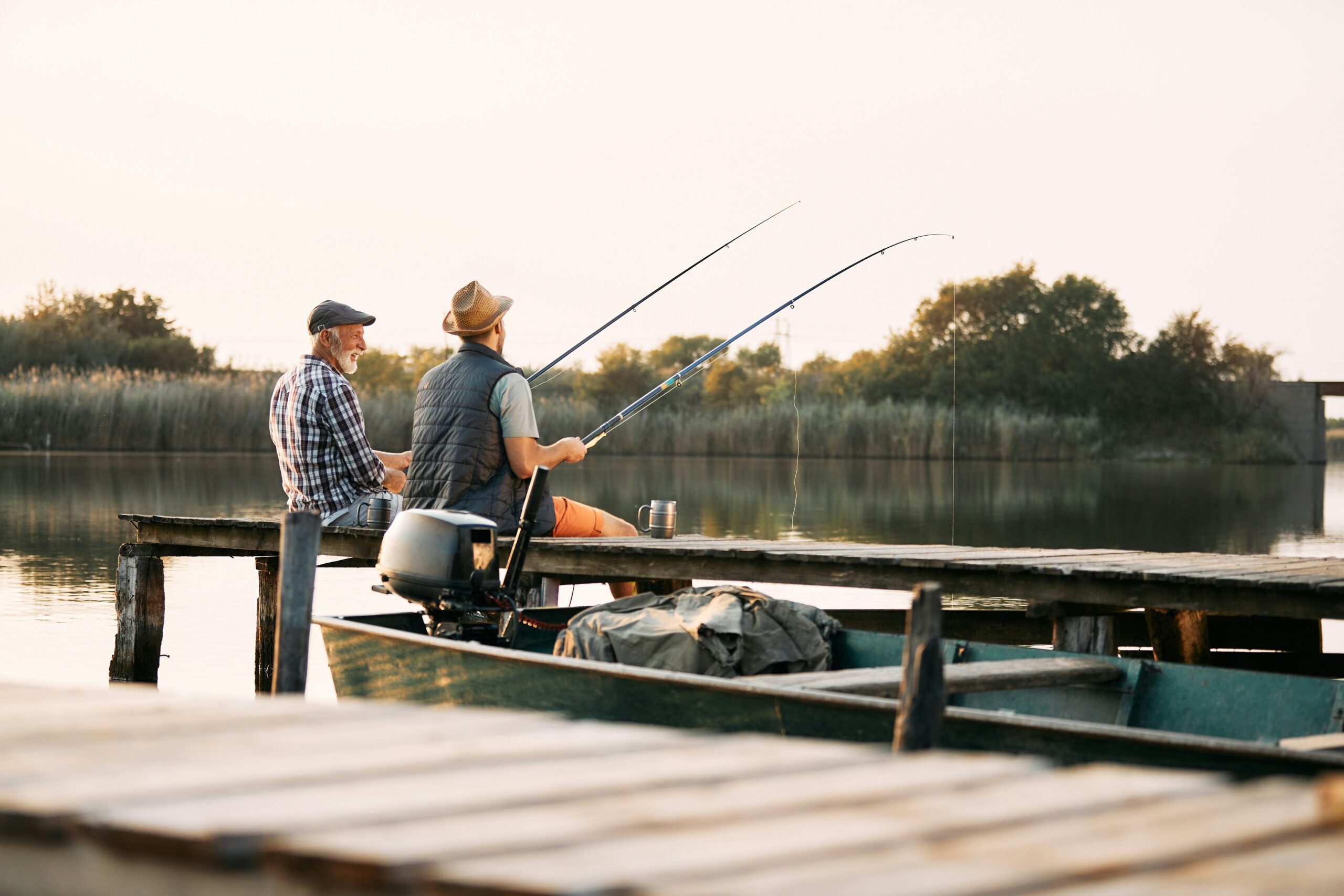
Bass fishing can be exciting, relaxing, and challenging at the same time. Some days, bass seem ready to strike almost anything. On other days, they can be difficult to find. The difference often comes down to preparation, observation, and the ability to adjust. Anglers who pay attention to water conditions, fish behavior, weather, and location often have a better chance of success.
Good bass fishing does not require complicated methods. Simple choices can make a major difference. You need to know where to cast, how fast to retrieve your lure, and when to change your approach. It also helps to understand how bass react to light, temperature, cover, and food. The following tips can help you improve your results and make each fishing trip more productive.
Understand Where Bass Like to Stay
Bass often stay near places that offer protection and easy access to food. You may find them around grass, rocks, fallen trees, docks, brush, and other underwater features. These areas give bass a place to hide while they wait for smaller fish or other prey to move close. Casting near these spots can improve your chances of getting a bite.
You should also pay attention to changes in water depth. Bass often use deeper areas during certain parts of the day, especially when the weather is hot or bright. Points, drop-offs, and deeper edges near shallow water can hold fish. If one area does not produce results, try another depth before leaving completely.
Choose Lures Based on the Conditions
Your lure choice should match the water conditions and the fish’s activity level. In clear water, natural colors can work well because bass can see the lure clearly. In darker or cloudy water, stronger colors and more noticeable movement may help fish find your bait. It is important to keep your choices simple and focus on what fits the situation.
Moving lures can help when bass are active and willing to chase. Slower lures may work better when fish are less active. A soft plastic bait or jig can stay near the bottom, giving bass more time to react. Instead of changing lures every few minutes, try changing your speed and depth first.
Improve Your Casting Accuracy
Accurate casting can make a big difference when bass stay close to cover. A lure that lands near a dock post, grass edge, rock, or fallen branch has a better chance of reaching a fish. A cast that lands too far away may never enter the best feeding zone.
Practice casting toward small targets whenever you can. You do not need perfect technique, but you should aim for control and consistency. Try to make quiet casts in shallow water. A loud splash may scare fish, especially in calm and clear conditions. Better casting gives you more chances to place your lure exactly where bass are waiting.
Change Your Retrieve Speed Often
Many anglers use the same retrieve speed for every cast. That can limit your results. Bass may want a fast-moving lure at one time and a slow presentation later. Changing your speed can help you discover what the fish prefer on that day.
You can also add pauses during the retrieve. A lure that suddenly stops can appear to be weak or injured prey. That may encourage a bass to strike. Try a steady retrieve, then slow it down or add short pauses. If you get a bite after a certain movement, repeat that pattern on your next casts.
Pay Attention to Water Temperature
Water temperature has a strong effect on bass activity. When water begins to warm in spring, bass often move into shallower areas. They become more active as conditions improve. This can create good fishing opportunities near the shoreline, protected coves, and shallow cover.
During very hot weather, bass may move deeper or stay near shade. Cooler periods in the morning and evening can bring them back to shallow water. In colder conditions, bass often move less and may respond better to slower presentations. Watching temperature changes can help you decide where and how to fish.
Use Weather to Guide Your Strategy
Weather can change bass behavior quickly. Cloudy days often allow bass to move farther from cover because the sunlight is weaker. This can make it easier to find active fish along open banks, shallow flats, and points. Moving lures can be effective when fish are searching for food.
Bright sunny days can push bass closer to shade or deeper cover. Docks, trees, grass, and deeper water may become more productive. Wind can also help by moving food toward certain shorelines. A windy bank may look difficult to fish, but it can hold active bass because smaller fish may gather there.
Fish Different Depths During the Day
Bass rarely stay at one depth from sunrise to sunset. Early in the morning, they may feed in shallow water. As the sun rises, some fish may move deeper or find shade. If you continue fishing only in shallow water, you may miss fish that have changed position.
Try working several depth levels before deciding that an area is empty. Start close to shore, then move toward deeper water. Adjust your lure so it reaches the level where bass may be holding. Once you catch a fish, pay attention to the depth. That information can help you find more bass in similar locations.
Stay Quiet Near Productive Areas
Bass can react to noise, especially in shallow water. Loud footsteps, dropped equipment, or heavy movement in a boat can disturb fish. This matters most when the water is calm and clear. Quiet movement can help you approach a good fishing area without scaring bass away.
Try to prepare your gear before you reach your target. Keep unnecessary movement to a minimum. Make smooth casts and avoid hitting the water too hard. A calm approach can help you fish a productive area longer and increase your chances of getting multiple bites.
Watch Your Fishing Line Carefully
Bass do not always strike with a hard pull. Sometimes the line moves sideways or becomes loose without warning. You may also feel a small increase in weight. These signs can mean that a bass has taken the lure.
Watch the point where your line enters the water. Keep enough contact with the lure to notice changes. If something feels different, stay alert and prepare to set the hook. Learning to detect light bites can improve your catch rate, especially when you fish slowly near the bottom.
Stay Flexible When Conditions Change
Bass fishing conditions can change within a few hours. A location that produces fish early may become quiet later. Water temperature, sunlight, wind, and fishing pressure can all cause bass to move. Successful anglers recognize these changes and adjust quickly.
Do not keep using the same technique simply because it worked before. Change your depth, speed, lure, or location when the action slows down. Small changes can produce a big improvement. Flexibility helps you stay productive instead of waiting for the fish to return.
Build Better Results Through Consistent Practice
Bass fishing skills improve through regular practice. Casting, lure control, bite detection, and location choices all become easier with experience. You begin to notice small details that you may have ignored before. These details often separate a difficult fishing day from a successful one.
Focus on learning rather than trying to catch the most fish every time. Study the water, test different approaches, and remember what worked. Over time, your decisions will become faster and more accurate. With patience and consistent effort, you can improve your bass fishing results and enjoy more productive time on the water.