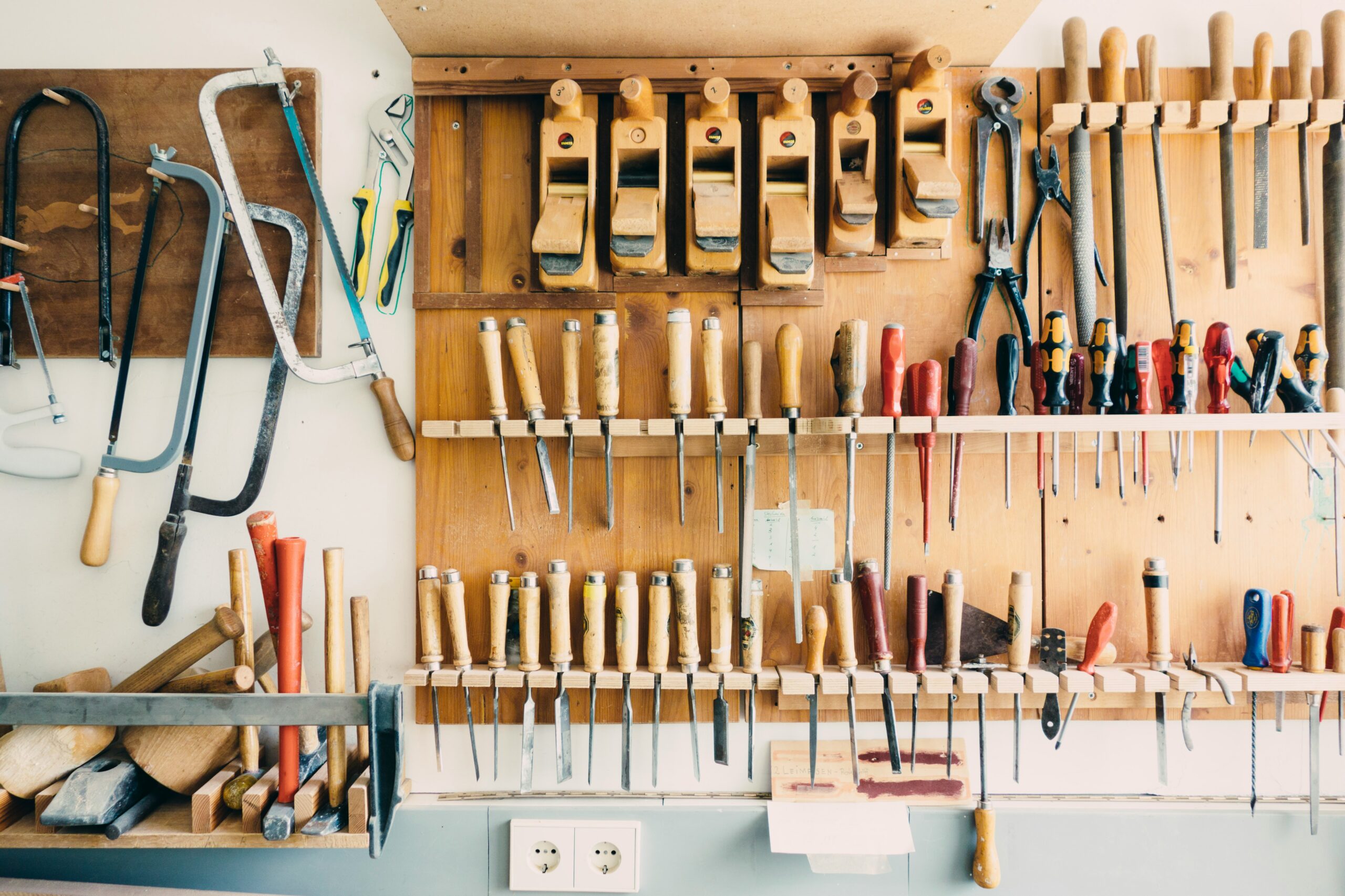
Woodworking is a practical craft that combines creativity, patience, and precision. Whether you are building a small shelf, repairing furniture, or creating a detailed piece of custom woodwork, the right tools can make every project easier and more enjoyable. From traditional chisels to strong clamps, each woodworking tool has a specific purpose. Understanding these tools helps beginners work with confidence and allows experienced woodworkers to improve their results.
Why Woodworking Tools Matter
Good woodworking tools are more than equipment. They help you shape, cut, measure, hold, and finish wood accurately. Using the correct tool can save time and reduce mistakes during a project. It can also make woodworking safer because tools designed for a specific task are generally easier to control.
A well-organized collection doesn’t need to include every tool available. Instead, it should include reliable tools that match your projects and skill level. Learning what each tool does is an important first step toward becoming a more capable woodworker.
Understanding Wood Chisels
Wood chisels are among the most useful hand tools in woodworking. Woodworkers commonly use them to remove small amounts of wood, create joints, clean corners, and carve details. A basic chisel consists of a sharp metal blade and a handle designed for controlled use.
Chisels come in different sizes and shapes, with each type serving a particular purpose. A sharp chisel can produce clean cuts, while a dull one may require excessive force and create rough results. Keeping chisels properly sharpened is therefore an important part of woodworking tool maintenance.
The Importance of Saws
Saws are essential for cutting wood into the desired shape and size. Hand saws are useful for simple cuts and offer excellent control, while power saws can handle larger projects more quickly. A woodworker may use different saws depending on whether the task involves straight cuts, curved cuts, or detailed work.
Choosing the right saw depends on the material, the type of cut, and the required precision. Learning how to guide a saw steadily is just as important as choosing a quality tool.
Measuring and Marking Tools
Accurate measurements are the foundation of successful woodworking. Even a small measurement error can make joints uneven or parts fit incorrectly. A tape measure, combination square, marking gauge, and pencil can help woodworkers create accurate guidelines before cutting.
Taking time to measure twice and cut once is a simple habit that can prevent wasted wood and unnecessary repairs. Clear marking also makes complicated projects easier to manage.
How Clamps Improve Accuracy
Clamps may not cut or shape wood, but they play a major role in woodworking. They hold pieces firmly in place while glue dries, joints are assembled, or cuts are made. By keeping materials from moving, clamps help produce cleaner and more accurate results.
Different clamp designs work better for different projects. Bar clamps provide strong pressure over a larger area, while smaller clamps work well for delicate or compact pieces. Learning how to position clamps correctly can greatly improve the quality of a finished project.
Sanding and Finishing Tools
Once you’ve cut and assembled the wood, sanding helps create a smooth surface. Sandpaper comes in different grits, allowing woodworkers to remove rough marks and gradually prepare the surface for finishing. Power sanders can speed up larger jobs, while hand sanding provides greater control in small or detailed areas.
Finishing tools and materials also affect wood’s appearance and durability. Stains, oils, and protective coatings can enhance the material’s natural character while helping protect it from everyday wear.
Caring for Your Woodworking Tools
Proper tool care can extend the life of woodworking equipment and improve performance. Keep blades sharp, protect metal surfaces from moisture, and check wooden handles regularly for damage. Store tools in a clean, dry location where they are easy to access.
Regular maintenance does not have to be complicated. Cleaning tools after use and addressing small problems early can prevent expensive replacements later.
Building Confidence Through Practice
Understanding woodworking tools is only part of becoming skilled at the craft. Practical experience teaches you how much pressure to use, how to control a blade, and how different woods respond to different tools. Beginners should start with simple projects and focus on developing safe, consistent techniques.
As skills improve, woodworkers can gradually explore more specialized tools and advanced construction methods. The goal isn’t to own the largest collection of equipment, but to understand how and when to use each tool effectively.
From chisels and saws to measuring tools and clamps, every piece of woodworking equipment has a role. By learning the purpose of essential woodworking tools, maintaining them properly, and practicing with care, anyone can develop stronger skills and create better projects. The right knowledge turns a collection of tools into a workshop that brings creative ideas to life.