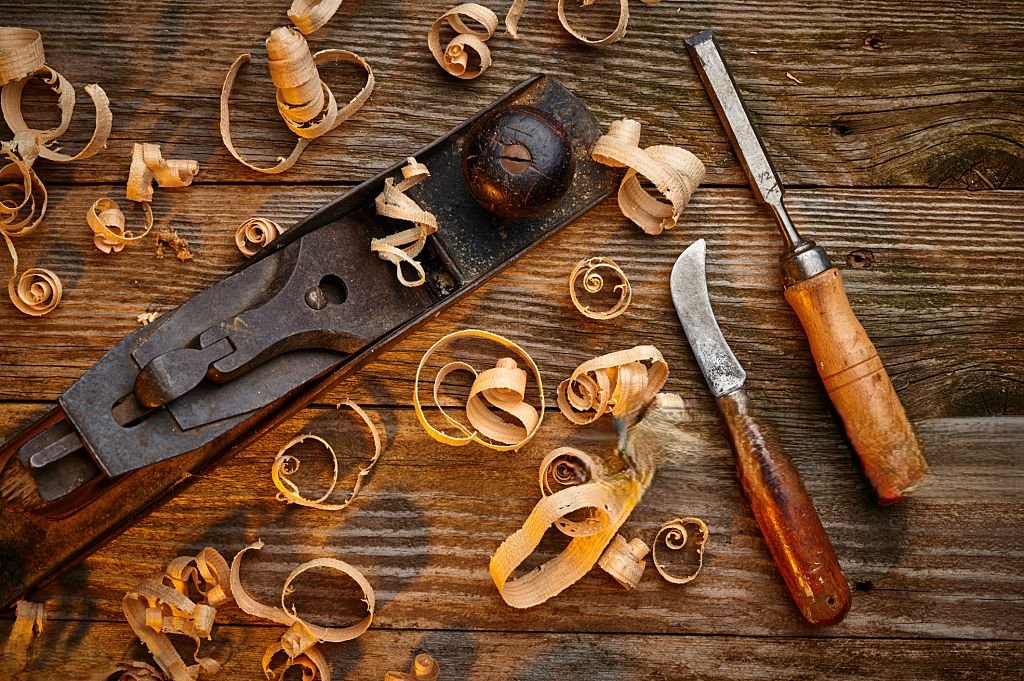
Woodworking is one of the oldest and most rewarding crafts in human history. From handcrafted furniture to decorative home accents, woodworking allows people to create practical and artistic pieces with their own hands. Whether someone is building a simple shelf or designing custom cabinets, the quality of the finished product often depends on understanding the tools used throughout the process. For beginners and experienced artisans alike, learning the purpose and value of woodworking tools is the first step toward mastering the trade.
The beauty of woodworking lies in its balance between creativity and precision. Every cut, measurement, and detail matters. While natural talent can help, the right tools provide control, safety, and efficiency in every project. Modern woodworking combines traditional hand tools with advanced power equipment, giving artisans endless possibilities to shape wood into something functional and beautiful. Understanding these tools not only improves skill but also builds confidence in the workshop.
Understanding the Basics of Woodworking Tools
Woodworking tools are designed to cut, shape, smooth, and assemble wood into finished products. Some tools are simple and operated by hand, while others rely on electricity for speed and precision. Beginners often start with basic hand tools because they help develop foundational skills and teach the importance of patience and accuracy. Over time, woodworkers may expand their collection of power tools to improve productivity and enable more advanced designs.
The choice of tools depends heavily on the type of woodworking project being completed. Small decorative crafts may require carving tools and sanders, while furniture building often demands saws, drills, and measuring instruments. Each tool serves a unique purpose, and understanding when and how to use it correctly is essential for achieving professional-quality results. Investing time in learning the basics prevents costly mistakes and ensures safer working conditions in the workshop.
Essential Hand Tools Every Beginner Should Own
Hand tools remain an important part of woodworking despite the popularity of power equipment. A reliable tape measure is one of the most essential tools because precise measurements are critical in woodworking. Even the smallest measuring error can affect the alignment and fit of a project. Alongside measuring tools, a combination square helps create accurate angles and straight lines, making it easier to achieve professional-looking cuts and joints.
Chisels, hand saws, and hammers are also considered fundamental woodworking tools. Chisels are perfect for carving, trimming, and creating joints, while hand saws allow woodworkers to make controlled cuts without relying on electricity. A sturdy hammer is useful for assembling projects and driving nails into place. These traditional tools teach beginners how wood behaves when cut and shaped, helping them develop stronger craftsmanship skills over time.
The Importance of Power Tools in Modern Woodworking
Power tools have transformed woodworking by increasing speed, efficiency, and accuracy. Circular saws, drills, and jigsaws are among the most commonly used tools in modern workshops. A circular saw can quickly cut large boards into manageable pieces, while a jigsaw is ideal for creating curves and custom shapes. Power drills make fastening screws and drilling holes significantly easier than manual methods, saving time on large projects.
Another popular power tool is the router, which helps create decorative edges and detailed designs. Routers can also cut grooves and joints with impressive precision. Sanders are equally important because they smooth rough surfaces and prepare wood for staining or painting. While power tools make woodworking more convenient, they also require careful handling and proper safety precautions. Learning how to use them correctly is essential for preventing injuries and maintaining high-quality craftsmanship.
Choosing the Right Saw for the Job
Saws are among the most important woodworking tools because cutting wood is a major part of nearly every project. Different saws are designed for specific tasks, and selecting the right one can dramatically improve the final result. Hand saws work well for simple cuts and fine control, while power saws provide faster, more accurate cutting for larger projects. Understanding the differences between saw types helps woodworkers choose the best option for each task.
Table saws are especially popular for making straight and consistent cuts. They are commonly used in furniture making because they handle large pieces of wood with excellent accuracy. Miter saws are designed for angled cuts, making them ideal for trim work and framing projects. Band saws, on the other hand, are excellent for curved cuts and intricate patterns. By mastering different saws, woodworkers gain the flexibility to tackle a wider range of creative and functional designs.
Measuring and Marking Tools for Precision
Precision is one of the defining characteristics of quality woodworking. Measuring and marking tools help ensure every piece fits together properly and maintains structural integrity. Tape measures are essential, but woodworkers also rely heavily on rulers, marking gauges, and carpenter pencils for detailed layouts. Accurate markings guide every cut and prevent mistakes that could waste materials and time.
A speed square is another valuable tool for creating straight edges and accurate angles. Digital measuring tools have also become increasingly popular because they provide highly precise readings for complex projects. Careful measuring and marking reduce the chances of uneven joints or misaligned parts, which can weaken the finished product. For beginners, learning to measure correctly is one of the most important habits to develop in woodworking.
Safety Equipment in the Woodworking Shop
Safety should always be a top priority in any woodworking environment. Many woodworking tools operate at high speeds and can cause serious injuries if used carelessly. Protective equipment such as safety glasses, hearing protection, and dust masks is essential for maintaining a safe workspace. Flying wood particles and loud machinery can create long-term health risks if proper precautions are ignored.
Workshops should also include safety devices like push sticks, clamps, and proper ventilation systems. Push sticks help guide wood safely through saws without placing hands too close to blades. Clamps secure materials firmly in place, reducing the risk of slipping during cutting or drilling. Maintaining a clean and organized workspace further improves safety by minimizing hazards and allowing woodworkers to focus fully on their craft.
Maintaining Woodworking Tools for Long-Term Performance
Proper maintenance extends the life of woodworking tools and ensures they continue performing efficiently. Sharp blades and clean cutting surfaces are critical for achieving smooth and accurate results. Dull tools not only reduce quality but also increase the risk of accidents because they require more force to operate. Regular sharpening and cleaning help maintain both safety and precision.
Power tools also require periodic inspections and lubrication to keep motors and moving parts functioning properly. Dust buildup can damage equipment over time, so cleaning tools after each use is highly recommended. Storing tools in dry and organized spaces prevents rust and unnecessary wear. By caring for their equipment, woodworkers protect their investment and maintain consistent performance for future projects.
Developing Skills Through Practice and Patience
Woodworking is a skill that improves gradually through hands-on experience. Beginners often feel overwhelmed by the variety of tools available, but consistent practice builds confidence and understanding over time. Starting with simple projects allows new woodworkers to become familiar with measurements, cuts, and assembly techniques before moving on to more advanced designs.
Patience is equally important in woodworking because rushing can lead to mistakes and safety risks. Every project teaches valuable lessons about precision, material behavior, and problem-solving. As skills improve, woodworkers begin to develop their own creative style and techniques. The journey of learning woodworking tools is not only about building objects but also about developing craftsmanship, discipline, and artistic expression.