Woodworking is one of the oldest and most useful crafts in the world. It turns simple pieces of wood into tables, shelves, chairs, boxes, art, and home items. A skilled woodworker can shape, cut, smooth, and join wood with care. Yet good work does not begin with talent alone. It begins with understanding the right woodworking tools.
Woodworking tools help people work with wood in a safe and controlled way. Some tools measure. Some cut. Some shape. Some hold pieces in place. Others make the surface smooth and ready for paint, stain, or finish. When a beginner learns what each tool does, the craft becomes less confusing and more enjoyable.
Craftsmanship is not about rushing. It is about patience, practice, and respect for the material. Wood has grain, texture, color, and strength. Each board is different. The right woodworking tools help bring out the best in each piece.
Understanding the Role of Woodworking Tools
Woodworking tools are the bridge between an idea and a finished project. A person may imagine a strong table or a small wall shelf, but the tools make that idea real. Without the right tools, even a simple cut can become hard.
Beginners often think they need a large shop full of expensive gear. That is not true. Many basic projects can begin with a small set of woodworking tools. The key is to learn how each tool works before buying more.
Good tools also improve safety. A sharp saw cuts cleaner than a dull one. A proper clamp keeps wood steady. A square helps parts line up. These small details lead to better results.
Measuring and Marking Tools
Every woodworking project starts with measurement. A small mistake at the start can cause big problems later. That is why measuring and marking tools are so important.
A tape measure is one of the most common woodworking tools. It helps measure boards, spaces, and project parts. A ruler or steel rule is useful for shorter, exact marks. A combination square helps check straight lines and right angles.
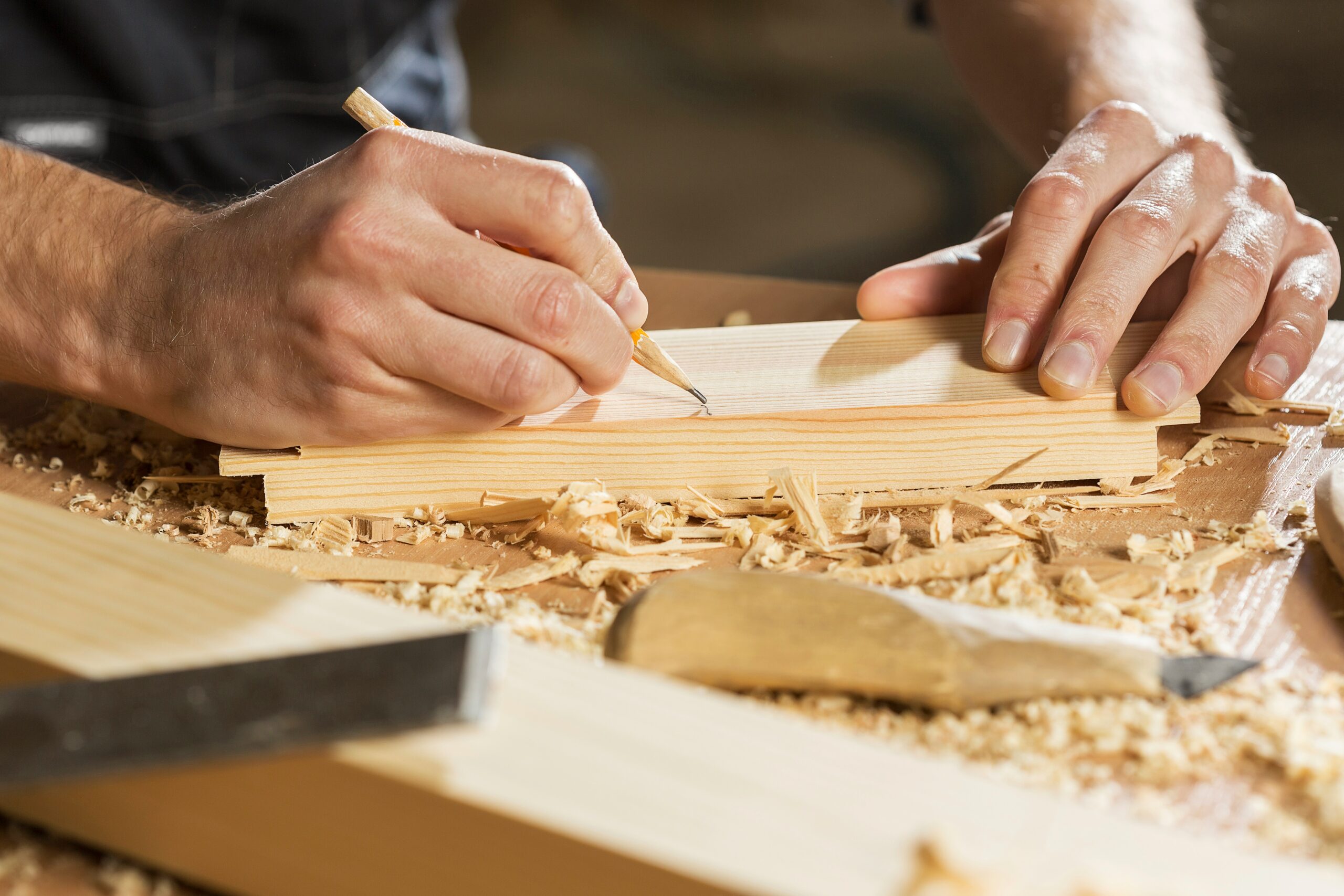
A pencil is simple, but it matters. Light pencil marks guide cuts and holes. A marking gauge can also help create lines that follow the edge of a board. Clear marks help the woodworker stay accurate from the first step to the last.
Cutting Tools for Clean Shapes
Cutting tools give wood its basic size and shape. A handsaw is a good place to start. It can cut boards to length and teach beginners how wood reacts to pressure and movement.
There are many types of saws. A crosscut saw cuts across the grain. A rip saw cuts with the grain. A coping saw can cut curves and small shapes. These woodworking tools give the user control over different cuts.
Power saws can make work faster, but they need extra care. A circular saw is useful for straight cuts. A jigsaw is helpful for curves. A table saw is common in larger shops. Beginners should always learn safety rules before using power cutting tools.
Shaping Tools That Add Detail
After cutting, wood often needs shaping. Shaping tools help form edges, curves, grooves, and details. They give a project style and character.
Chisels are classic woodworking tools. They remove small parts of wood with control. A sharp chisel can clean joints, shape corners, and carve simple designs. A mallet is often used with a chisel to add gentle force.
Hand planes are also useful. A plane shaves thin layers from the wood surface. It can flatten a board, smooth an edge, or adjust the fit of a part. Files and rasps help shape curved or rough areas. These tools allow the craftsperson to refine the work by hand.
Holding and Clamping Tools
Wood must stay still during cutting, drilling, gluing, and assembly. Holding tools makes this possible. They also make woodworking safer.
Clamps are among the most useful woodworking tools in any shop. They hold pieces together while the glue dries. They also keep boards steady during work. There are many types, including bar clamps, spring clamps, and C-clamps.
A workbench is another important part of the craft. A strong bench gives a stable surface for projects. Some benches have vises that hold wood firmly. When wood does not move, the worker can focus on clean cuts and careful details.
Drilling and Joining Tools
Most woodworking projects need strong joints. Joints connect one piece of wood to another. Drilling and joining tools help make these connections neat and secure.
A hand drill or power drill can make holes for screws, dowels, and hardware. Drill bits come in different sizes. Choosing the right bit helps prevent cracks and poor fit.
Screwdrivers, hammers, and mallets also play key roles. Screws, nails, dowels, and glue are common joining methods. Some woodworking tools, such as pocket hole jigs, help beginners make strong joints with less guesswork. Good joints make a project last longer.
Sanding and Smoothing Tools
Sanding gives wood a clean and pleasant feel. It also prepares the surface for finish. Rough wood can have splinters, saw marks, and uneven spots. Sanding removes these flaws.
Sandpaper comes in different grits. A lower grit removes more wood. A higher grit makes the surface smoother. Beginners often start with medium grit and move to finer grit.
A sanding block helps keep pressure even. An electric sander can save time on larger projects. These woodworking tools are simple, but they have a big effect on the final look. Smooth wood feels better and accepts stain or paint more evenly.
Safety Tools Every Beginner Needs
Safety should be part of every project. Woodworking can be fun, but tools must be treated with care. Good habits protect the eyes, ears, hands, and lungs.
Safety glasses protect against dust and flying chips. Hearing protection is useful when using loud power tools. A dust mask or respirator helps keep fine dust out of the lungs.
A clean workspace is also a safety tool in its own way. Loose cords, scraps, and clutter can cause accidents. Sharp woodworking tools should be stored safely. Blades should face away from the body. Every beginner should slow down and think before making each cut.
Building Skill Through Practice
The art of craftsmanship grows over time. No one becomes skilled in one day. Each project teaches something new. A crooked cut, a loose joint, or a rough finish can become a lesson.
Beginners should start with simple projects. A small shelf, toolbox, picture frame, or birdhouse can teach basic skills. These projects use common woodworking tools and help build confidence.
Practice also teaches patience. Woodworking rewards careful steps. Measure first. Mark clearly. Cut slowly. Test the fit. Sand with care. Finish with pride. These habits turn basic work into true craftsmanship.
Woodworking tools are more than objects in a shop. They are partners in the creative process. They help shape ideas into useful and beautiful things. When used with care, they allow anyone to explore the deep joy of working with wood.
The craft begins with simple tools and steady hands. Over time, those tools become familiar. The sound of a saw, the feel of a smooth board, and the smell of fresh wood all become part of the experience. That is the art of craftsmanship, and woodworking tools are the first step into that rewarding world.